

The modern man's wardrobe has evolved beyond simple aesthetics. Today's discerning consumers seek garments that deliver exceptional comfort while aligning with environmental values. Organic cotton hoodies represent a perfect intersection of these priorities, offering soft, breathable fabric produced through sustainable farming practices. As the fashion industry continues its shift toward responsible manufacturing, understanding the benefits of organic cotton becomes essential for building a wardrobe that reflects both personal style and environmental consciousness.
The Environmental Impact of Organic Cotton Production
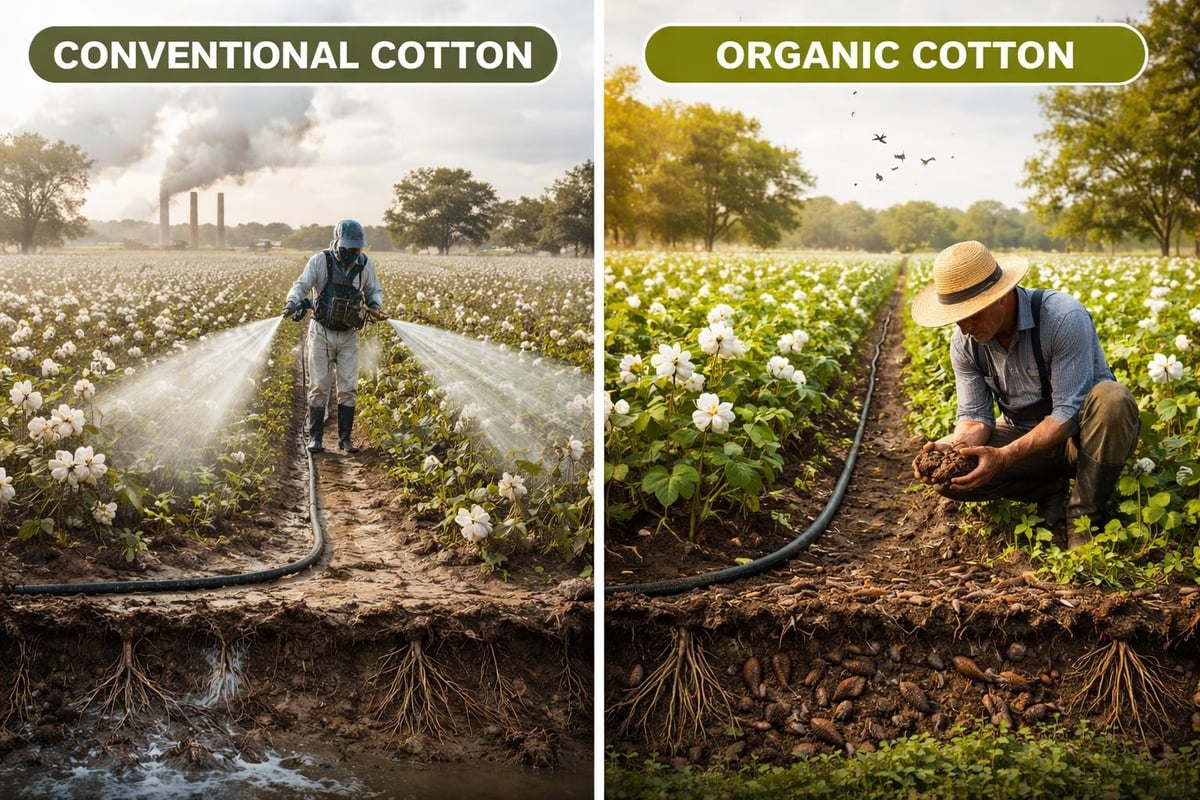
Conventional cotton farming relies heavily on synthetic pesticides and fertilizers that deplete soil quality and contaminate water systems. Organic cotton cultivation eliminates these harmful chemicals, instead using natural methods to maintain soil health and control pests.
The environmental benefits extend beyond chemical reduction:
- Water efficiency: Organic farming typically uses 91% less water than conventional methods
- Soil preservation: Natural composting and crop rotation maintain nutrient-rich soil for future seasons
- Biodiversity support: Chemical-free fields provide habitats for beneficial insects and wildlife
- Carbon sequestration: Healthy organic soil absorbs more atmospheric carbon dioxide
Research on environmental impacts demonstrates that organic cotton hoodies have a significantly lower carbon footprint throughout their lifecycle. This reduction stems from eliminated synthetic inputs during cultivation and often includes more sustainable manufacturing processes.
Certification Standards and Quality Assurance
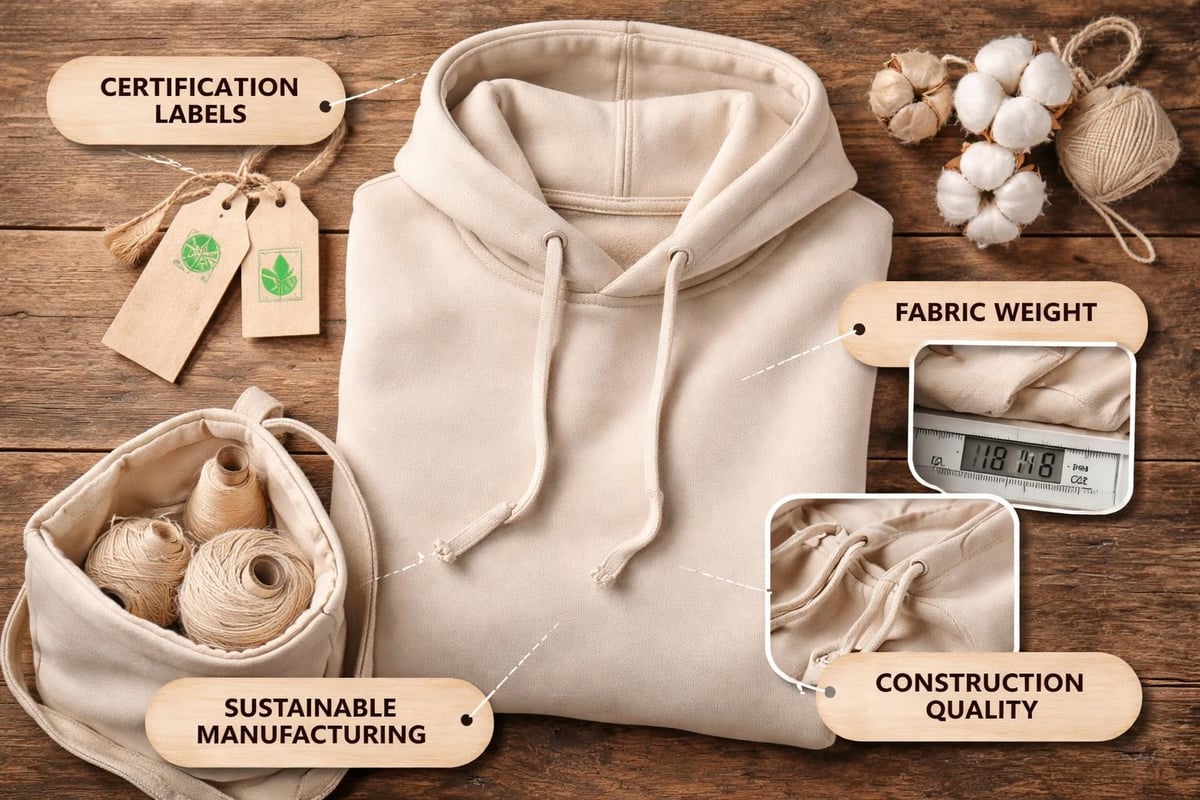
Genuine organic cotton products carry certifications from recognized bodies like GOTS (Global Organic Textile Standard) or USDA Organic. These certifications verify that fiber production meets strict environmental and social criteria throughout the supply chain.
| Certification | Key Requirements | Verification Process |
|---|---|---|
| GOTS | 95% organic fibers, no toxic chemicals, fair labor practices | Annual facility inspections, supply chain audits |
| USDA Organic | 100% organic without genetic modification | Three-year transition period, ongoing compliance checks |
| OCS (Organic Content Standard) | Minimum organic content tracking | Third-party verification of organic materials |
These standards ensure that when you invest in organic cotton hoodies, you receive authentic sustainable products rather than greenwashed alternatives.
Superior Comfort and Performance Benefits
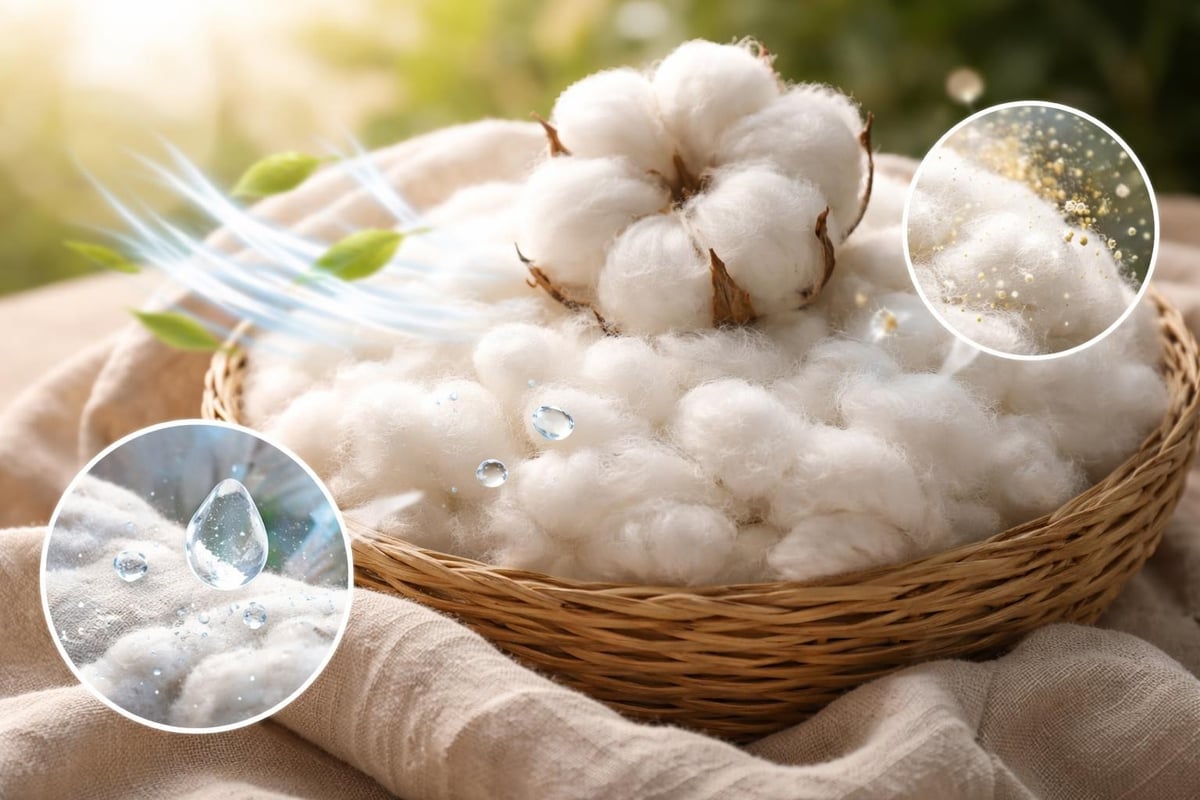
Beyond environmental advantages, organic cotton hoodies deliver exceptional wearability. The absence of harsh chemical processing preserves the fiber's natural softness, creating garments that feel gentle against skin from the first wear.
Breathability characteristics make organic cotton ideal for layering and temperature regulation. The fiber naturally wicks moisture away from your body while allowing air circulation, preventing the clammy discomfort common with synthetic materials.
Men prioritizing sustainable menswear appreciate how organic cotton maintains its integrity through repeated washing. The stronger, longer-staple fibers resist pilling and degradation better than conventionally grown alternatives. This durability translates to garments that remain soft and structured season after season.
Hypoallergenic Properties
Chemical residues from conventional cotton processing can trigger skin sensitivities and allergic reactions. Organic cotton hoodies eliminate this concern by avoiding:
- Formaldehyde-based wrinkle treatments
- Heavy metal dyes
- Chlorine bleaching agents
- Synthetic softening chemicals
For men with sensitive skin or allergies, this natural approach provides comfortable daily wear without irritation. The same principles that guide premium comfort underwear apply equally to outerwear choices.
Building a Sustainable Wardrobe Investment
Quality organic cotton hoodies represent a departure from fast fashion's disposable mentality. While initial costs may exceed conventional alternatives, the long-term value proposition proves compelling.
Consider the total cost of ownership over three years:
| Garment Type | Initial Cost | Replacement Frequency | Three-Year Total |
|---|---|---|---|
| Fast fashion hoodie | $25 | Every 6-8 months (4-5 replacements) | $100-125 |
| Mid-range conventional | $50 | Every 12-15 months (2-3 replacements) | $100-150 |
| Premium organic cotton | $95 | 3+ years (no replacement) | $95 |
The durability of eco-friendly men's clothing reduces both financial expenditure and environmental waste. Each hoodie that lasts three years instead of six months prevents multiple manufacturing cycles and their associated environmental impacts.
Versatility in Minimalist Wardrobes
Nordic minimalist style emphasizes timeless pieces that transition seamlessly across occasions. Organic cotton hoodies excel in this role, offering:
- Clean lines that complement tailored and casual outfits
- Neutral colorways that coordinate with existing wardrobe pieces
- Appropriate weight for year-round layering
- Professional enough for casual office environments
This versatility maximizes wearability per garment, further improving the sustainability equation through reduced overall consumption.
Making Informed Purchasing Decisions
Understanding what makes eco-friendly hoodies valuable requires looking beyond marketing claims. Examine labels for specific organic certifications rather than vague "natural" or "eco" terminology without verification.
Transparency indicators from responsible brands include:
- Disclosed fiber sources and farming locations
- Published supply chain information
- Third-party certification documentation
- Clear care instructions that extend garment life
Five compelling reasons to choose organic cotton extend beyond softness to encompass health benefits, environmental stewardship, and support for ethical labor practices. These factors collectively contribute to purchase decisions aligned with personal values.
Care and Longevity
Proper maintenance maximizes the lifespan of organic cotton hoodies:
- Wash in cold water to preserve fiber integrity and reduce energy consumption
- Use mild, eco-friendly detergents without harsh chemicals that degrade organic cotton
- Air dry when possible to prevent heat damage and save energy
- Store folded rather than hung to maintain shoulder structure
- Treat stains promptly with natural solutions like vinegar or baking soda
These practices align with the sustainable choices that inform your original purchase decision, extending environmental benefits throughout the garment's lifecycle.
The Future of Responsible Menswear
Consumer demand drives industry evolution. As more men prioritize organic cotton hoodies and other sustainable essentials, brands respond with improved offerings and greater transparency. Recent studies on organic cotton show production increasing 31% between 2021 and 2025, reflecting this shifting market dynamic.
Supporting brands committed to sustainable practices creates positive feedback loops. Companies investing in organic materials, fair labor, and environmental responsibility gain market share, encouraging competitors to adopt similar standards. Your purchasing decisions contribute directly to this transformation.
The integration of organic cotton with complementary sustainable fibers creates even more compelling options. Blends incorporating recycled polyester or other eco-friendly materials balance performance characteristics while maintaining environmental integrity throughout production chains.
Organic cotton hoodies deliver measurable benefits for your comfort, health, and environmental impact. By choosing garments produced through sustainable practices, you invest in quality pieces that perform better and last longer than conventional alternatives. While Konquer Wear currently specializes in premium men's essentials like our signature boxer briefs, our commitment to sustainable materials and exceptional comfort reflects the same values that make organic cotton outerwear an intelligent choice for the modern, conscious consumer.

