
Imagine stepping into a future where comfort is not reserved for the privileged few, but is woven into everyday life for everyone. In 2026, the meaning of premium comfort is rapidly evolving, reshaping expectations across travel, lifestyle, and daily essentials.
This guide delves into the trends and innovations driving this transformation. Discover how technology, sustainability, and thoughtful design are making premium comfort more accessible and meaningful than ever.
You will learn about the latest advancements, the role of personalization, and actionable strategies to elevate your comfort. Get ready to unlock new possibilities and redefine what comfort means for you in the year ahead.
Defining Premium Comfort in 2026
The concept of premium comfort has evolved dramatically, moving far beyond simple amenities to embrace holistic, multi-sensory experiences. In 2026, premium comfort is not just about softness or convenience, but about how seamlessly wellness, personalization, and technology integrate into daily life.
Consumer expectations are rising. Recent 2024 surveys reveal that 70% of consumers are willing to pay extra for enhanced comfort features. This shift is driven by a desire for better wellbeing, tailored experiences, and effortless enjoyment—making premium comfort a central factor in purchasing decisions.
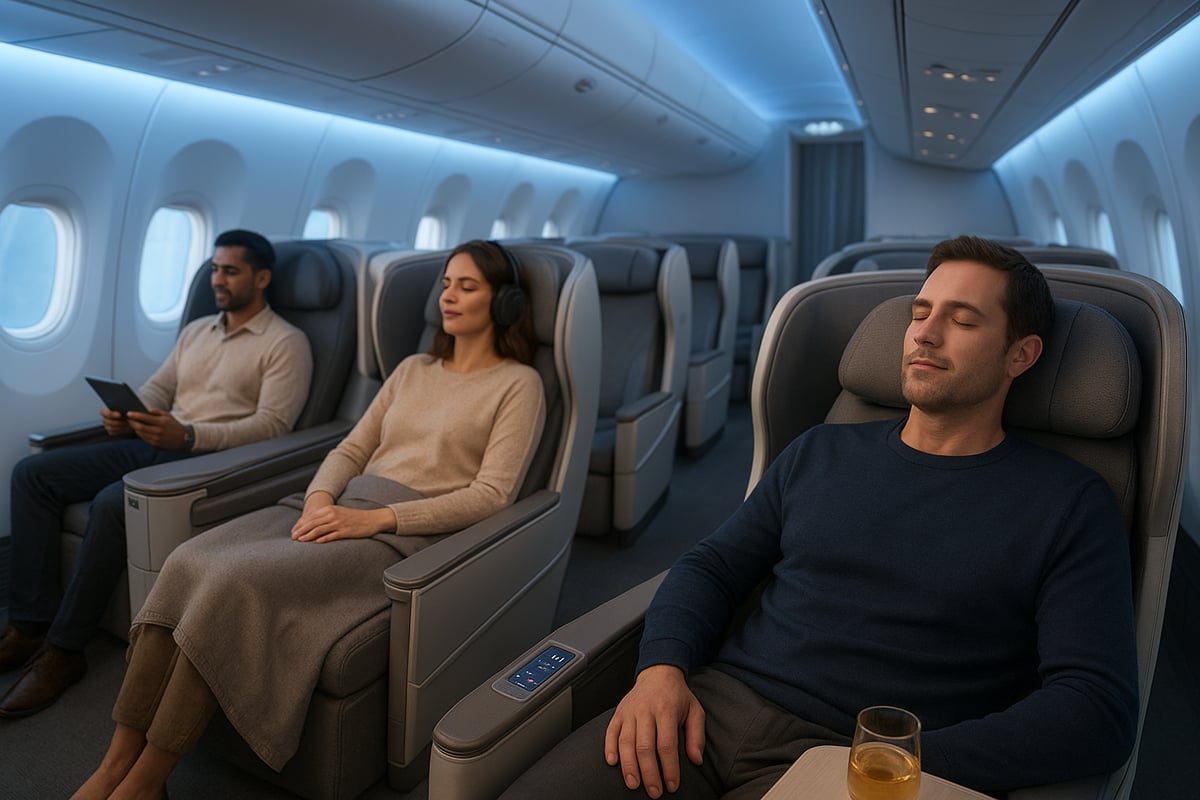
Industries are taking note. Airlines like KLM have introduced Premium Comfort cabins with adjustable ergonomic seating and tailored in-flight services. In hospitality, hotels now offer rooms with smart climate control and customizable sleep environments. Home goods companies are launching smart beds and on-demand comfort services, further raising the bar.
What sets premium comfort apart? It comes down to four differentiators: advanced materials, thoughtful design, innovative technology, and exceptional service. For example, materials used in premium underwear for men now feature breathable, moisture-wicking fabrics that elevate daily essentials. Smart beds adjust firmness and temperature, while ergonomic airline seats support long-haul wellness.
A new wave of comfort-first brands is emerging, blurring the lines between what is considered premium and what is simply essential. Adjustable smart beds, climate-controlled airline seats, and on-demand comfort services are now within reach for more consumers, making premium comfort both desirable and increasingly accessible.
The Technology Revolution: Smart Comfort Solutions
As we move into 2026, technology is redefining the way we experience premium comfort. From advanced textiles to intelligent devices, these innovations are seamlessly blending convenience and luxury in daily life.
Innovations in Smart Materials and Fabrics
Smart materials are at the forefront of premium comfort. Temperature-regulating, moisture-wicking, and adaptive textiles now power everything from airline seats with integrated climate control to smart mattresses that optimize sleep. The smart textile market is projected to grow by 35% in 2025, reflecting the demand for these innovations.
Early adopters praise benefits like enhanced rest, reduced fatigue, and all-day freshness. For a deeper look at how moisture-wicking technology is transforming daily essentials, see Moisture-Wicking Comfort Technology.
Connected Devices and the Comfort Ecosystem
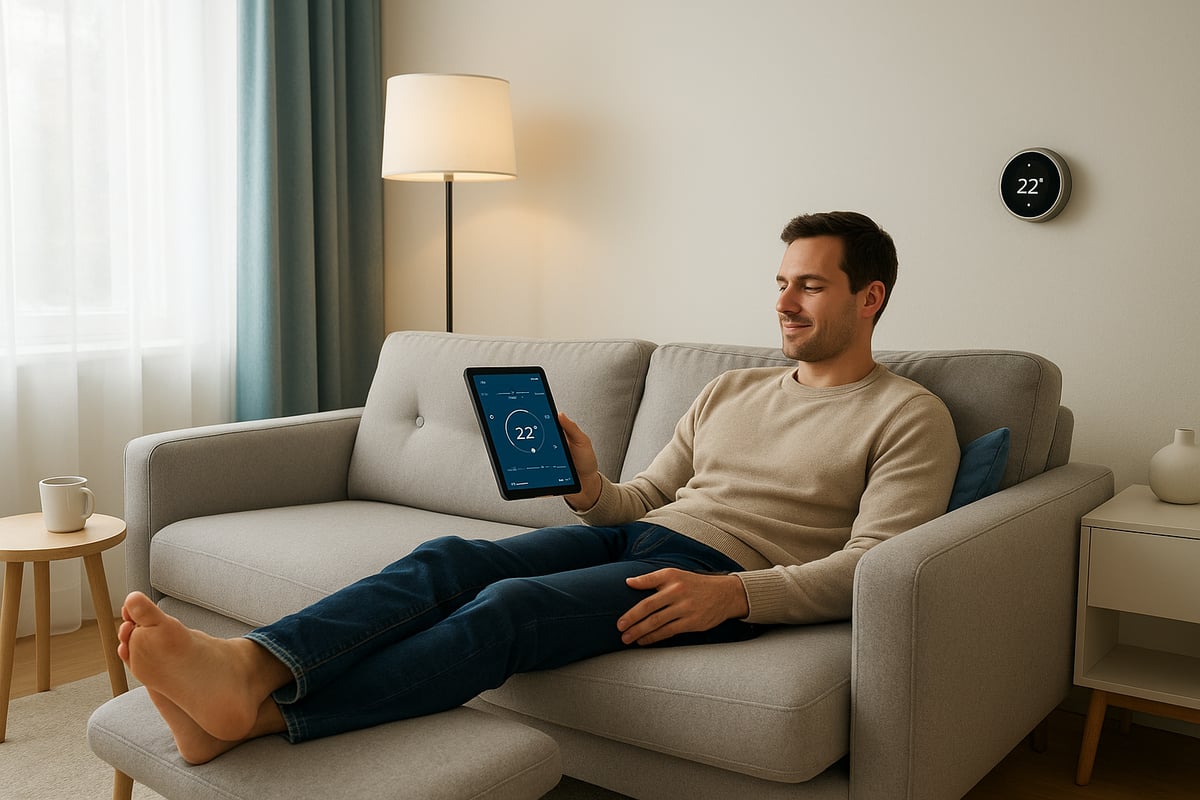
The rise of IoT devices is building a true comfort ecosystem. Smart thermostats, adjustable lighting, and app-controlled environments let users personalize comfort at home, work, or while traveling. Airlines now offer app-based seat adjustments and entertainment, bringing the comfort experience into the digital age.
Security and privacy remain critical, ensuring that convenience does not compromise trust. This seamless integration is redefining how we control our environments.
AI Personalization and Predictive Comfort
Artificial intelligence is making premium comfort more intuitive. AI-driven systems analyze user habits to recommend optimal settings, from room temperature to ergonomic adjustments. Airlines use AI to tailor in-flight meals and entertainment, ensuring a personalized journey.
Predictive maintenance in comfort devices, like self-adjusting chairs, means users enjoy effortless, always-optimized comfort. This data-driven approach ensures that premium comfort is not only accessible but also anticipates your needs.
Sustainable Comfort: Eco-Friendly Choices in 2026
Sustainable choices are redefining the meaning of premium comfort for modern consumers. As we approach 2026, people increasingly expect their comfort products to align with their environmental values. In fact, 60% of consumers in 2025 say they prioritize sustainability alongside comfort, showing a clear shift in purchasing behavior.
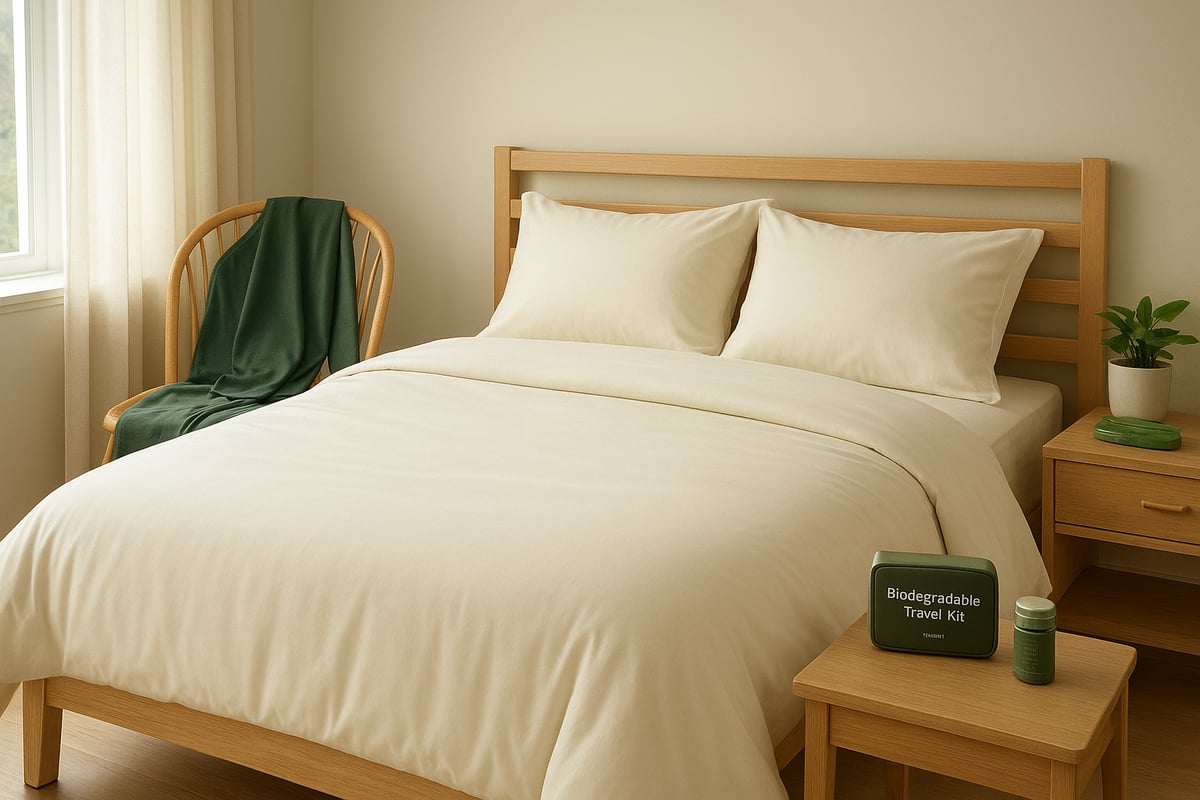
Leading industries are responding with innovations that merge luxury and eco-consciousness. Airlines and hotels are moving towards carbon-neutral cabins and recyclable amenities. At home, consumers are turning to bamboo bedding, recycled-fiber loungewear, and biodegradable travel kits. For a closer look at current trends and advancements, explore this overview on Sustainable Comfort Innovations.
Here is a comparison of popular sustainable comfort products:
| Product Type | Eco-Friendly Material | Key Benefit |
|---|---|---|
| Bedding | Bamboo, organic cotton | Breathable, hypoallergenic |
| Loungewear | Recycled fibers | Lightweight, soft feel |
| Travel Kits | Biodegradable plastics | Minimal waste |
Certifications such as OEKO-TEX® and Fair Trade are now crucial markers of genuine premium comfort. Brands are also adopting circular economy principles, designing products for longevity and recyclability. The main challenge lies in maintaining the luxurious feel of premium comfort products while using eco-friendly materials.
Consumers benefit from a reduced environmental footprint without sacrificing the quality they expect. By choosing sustainable options, you can enjoy premium comfort that is both responsible and refined.
The Psychology of Comfort: Why It Matters More Than Ever
The quest for comfort has become central to wellbeing, driving not just relaxation but also productivity and satisfaction in daily life. As we enter 2026, the psychology behind comfort is more important than ever, shaping how we live, work, and travel.
Comfort impacts us emotionally and cognitively. Studies show that environments designed for premium comfort help reduce stress, boost mood, and improve sleep quality. This translates to better focus and higher overall happiness.
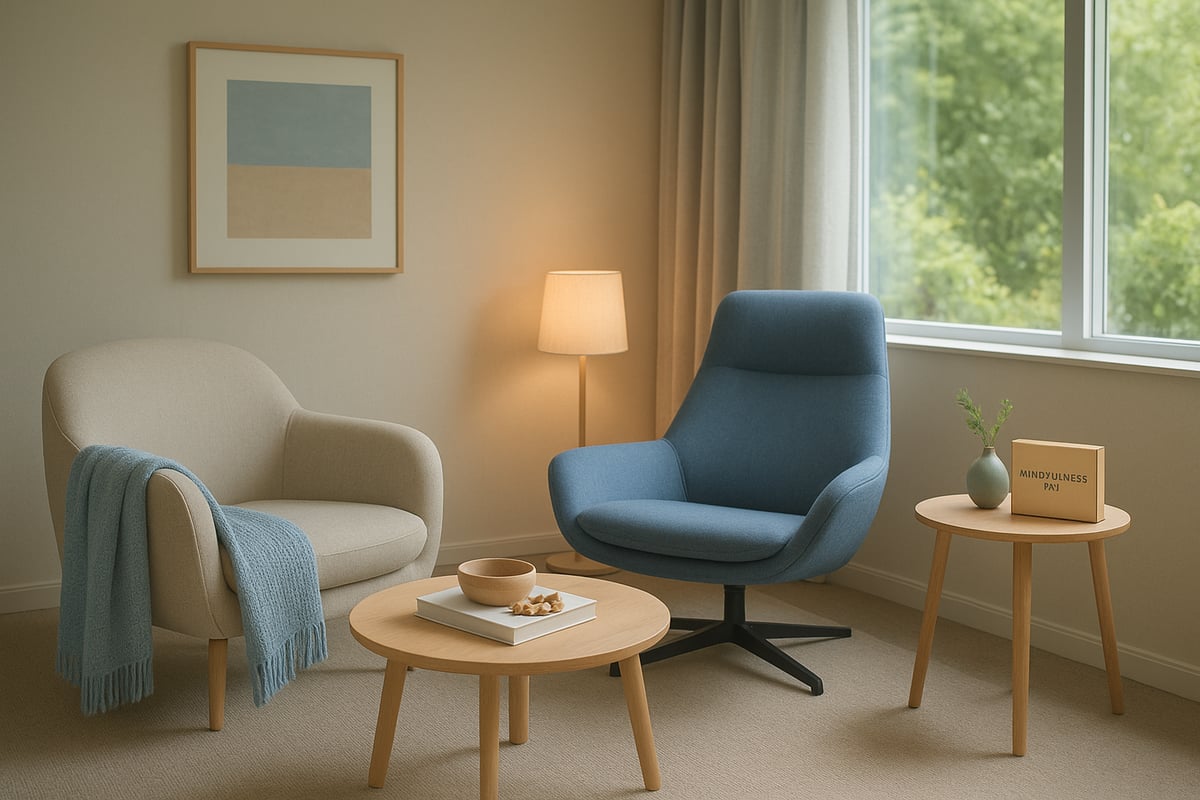
Behavioral science reveals that comfort is deeply tied to self-care and empowerment. Choosing products or experiences that prioritize comfort is an act of valuing oneself. This is reflected in the rising "comfort economy," where brands create emotional connections by offering customizable sleep experiences or mindfulness kits during travel.
Nostalgia and familiarity also play a role. People gravitate toward settings and products that evoke positive memories, enhancing their sense of comfort and security. Personalization further elevates psychological comfort, making consumers feel seen and understood.
Convenience is a major factor. According to recent findings, 77% of U.S. consumers prioritize convenience in purchasing decisions, underscoring how psychological comfort and ease are now inseparable from the idea of premium comfort. As brands innovate, the focus is clear: true comfort is about more than luxury, it is about creating spaces and experiences that support emotional and mental wellbeing.
Achieving Premium Comfort: Practical Steps for 2026
Unlocking premium comfort in 2026 is about making intentional choices in every part of your life. Whether at home, on the move, or at work, you can create a sense of ease and luxury through smart upgrades and thoughtful habits.
At Home: Everyday Upgrades
Elevate your living spaces with ergonomic furniture, smart bedding, and sensory-friendly lighting. These upgrades are the foundation of premium comfort at home.
- Invest in adjustable beds and chairs that support healthy posture.
- Use smart lighting to set the perfect mood for relaxation or focus.
- Try best boxer briefs for comfort to enhance daily essentials and overall well-being.
Simple additions like air purifiers and noise-cancelling devices can transform your home into a restful retreat.
On the Move: Travel and Commuting
When traveling, seek out airlines, trains, or vehicles offering features designed for premium comfort, such as extra legroom or in-seat temperature controls.
- Pack neck pillows and wearable technology for added ease.
- Use noise-cancelling headphones for a peaceful journey.
- Book strategically by considering mixed class fares to maximize value.
Premium comfort on the go means prioritizing convenience and personal well-being, no matter your destination.
At Work: Comfort for Productivity
A productive workspace starts with premium comfort. Choose ergonomic office setups, including adjustable chairs, standing desks, and climate control.
- Create breakout spaces for mental recharge.
- Take advantage of wellness programs and flexible attire options.
- Some companies now offer comfort stipends or remote work kits for employees.
Prioritizing premium comfort at work helps maintain focus, reduce stress, and boost motivation.
The Future of Premium Comfort: Trends to Watch
The pace of innovation is transforming how we define and experience premium comfort. Looking ahead to 2026, the landscape is marked by rapid advancements, making comfort more personalized, accessible, and immersive for everyone.
Hyper-personalized environments are becoming the standard in premium comfort. Imagine spaces that automatically adjust lighting, temperature, and ambience based on your preferences and biometric feedback. Biometric comfort controls, such as fingerprint or facial recognition, allow seamless, secure customization in both public and private settings.
Virtual and augmented reality are redefining how we relax and recharge. Immersive relaxation pods offer tailored sensory experiences, from soothing soundscapes to guided meditation in virtual environments. These technologies are gaining traction in premium travel lounges, hotels, and even home spaces.
Here is a snapshot of projected comfort tech adoption by 2026:
| Sector | Key Technology | Adoption Rate (%) |
|---|---|---|
| Travel | Biometric controls | 60 |
| Home | Immersive pods | 45 |
| Workplace | Personalized climate | 50 |
The "comfort as a service" model is expanding. Subscription-based access to comfort-focused amenities, such as smart sleep systems or on-demand relaxation experiences, is making premium comfort attainable. The democratization of comfort is also accelerating, as more consumers seek luxury-level features in everyday products. According to recent data, consumers are willing to pay 9.7% more for sustainable products, highlighting the growing demand for accessible, eco-friendly comfort solutions.
Cross-industry collaborations are fueling innovation. Tech companies are partnering with fashion and wellness brands to deliver integrated comfort experiences. However, challenges remain. Privacy concerns, potential over-reliance on technology, and maintaining a human touch are critical issues to address.
Staying informed about these trends empowers consumers to make smarter choices. As the definition of premium comfort evolves, those who embrace change will enjoy unprecedented levels of ease and satisfaction in 2026.

