

Eco-conscious style is transforming the fashion world, and sustainable menswear is leading the charge in 2026. Men everywhere are seeking clothing that aligns with both their values and their personal style. The demand for garments that are eco-friendly, ethically made, and fashionable has never been higher.
This guide is designed to help you build a wardrobe that supports the planet and the people who make your clothes. You will discover what truly makes menswear sustainable, explore innovative materials and certifications, and learn about leading brands setting new standards.
Ready to make informed, impactful choices? Let’s begin your journey toward a responsible and stylish wardrobe.
What Makes Menswear Sustainable in 2026?
Sustainable menswear in 2026 is defined by a blend of ethical sourcing, eco-friendly materials, and responsible manufacturing. Brands are prioritizing transparency, ensuring every step from fiber to finished product is traceable and meets high sustainability standards.
The environmental impact of fashion is significant, accounting for 8 to 10 percent of global carbon emissions according to the UN in 2024. To address this, sustainable menswear emphasizes renewable resources, reduced water usage, and low-impact dyes. Social responsibility is equally vital, with brands committing to fair labor practices, safe working conditions, and living wages throughout their supply chains.
Circular fashion principles play a central role. Garments are now designed for durability, repairability, and recyclability, extending the life cycle of each piece. Inclusivity is also rising, with degendered collections and extended sizing making sustainable menswear accessible to more people.
Key practices of sustainable menswear include:
- Use of organic cotton and recycled fibers
- Transparent supply chains and public disclosures
- Support for local artisans and responsible communities
Today’s consumers expect both style and values. They seek brands that align with their ethical beliefs and offer modern, fashionable options. For a deeper dive into these evolving standards, explore this sustainable menswear guide.
Key Sustainable Materials and Certifications
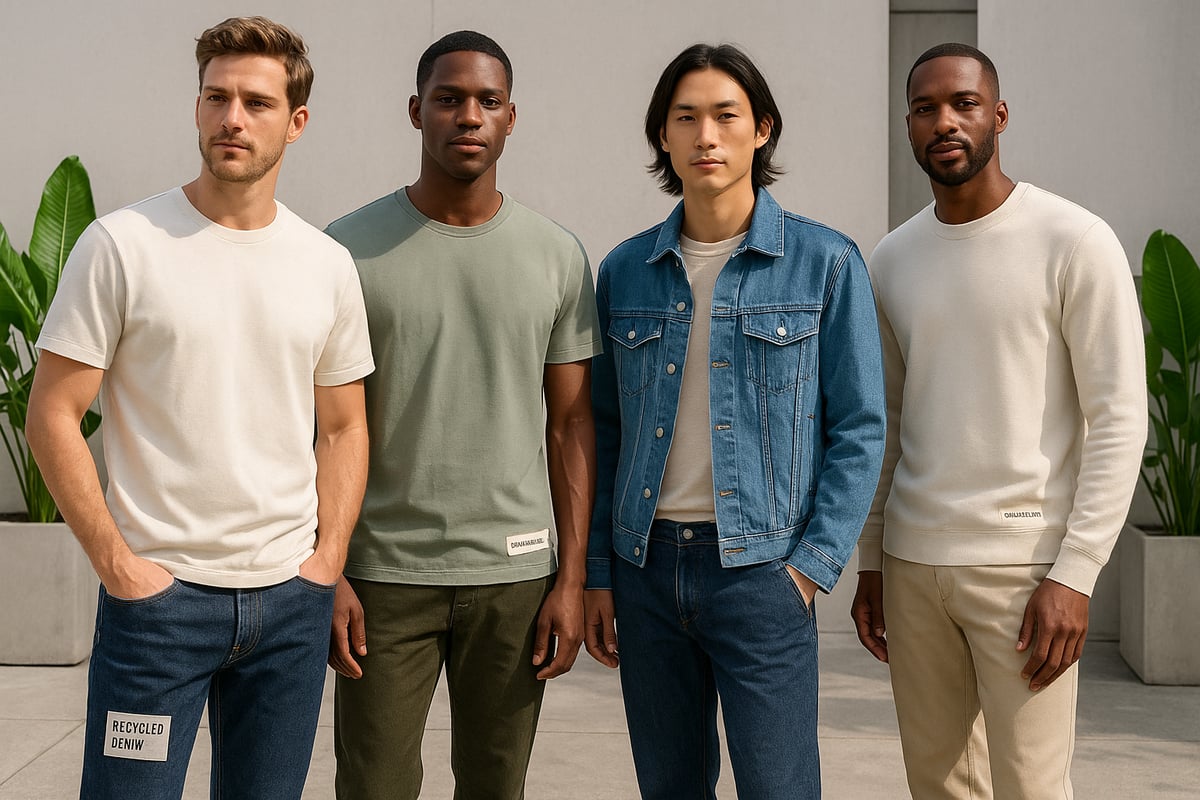
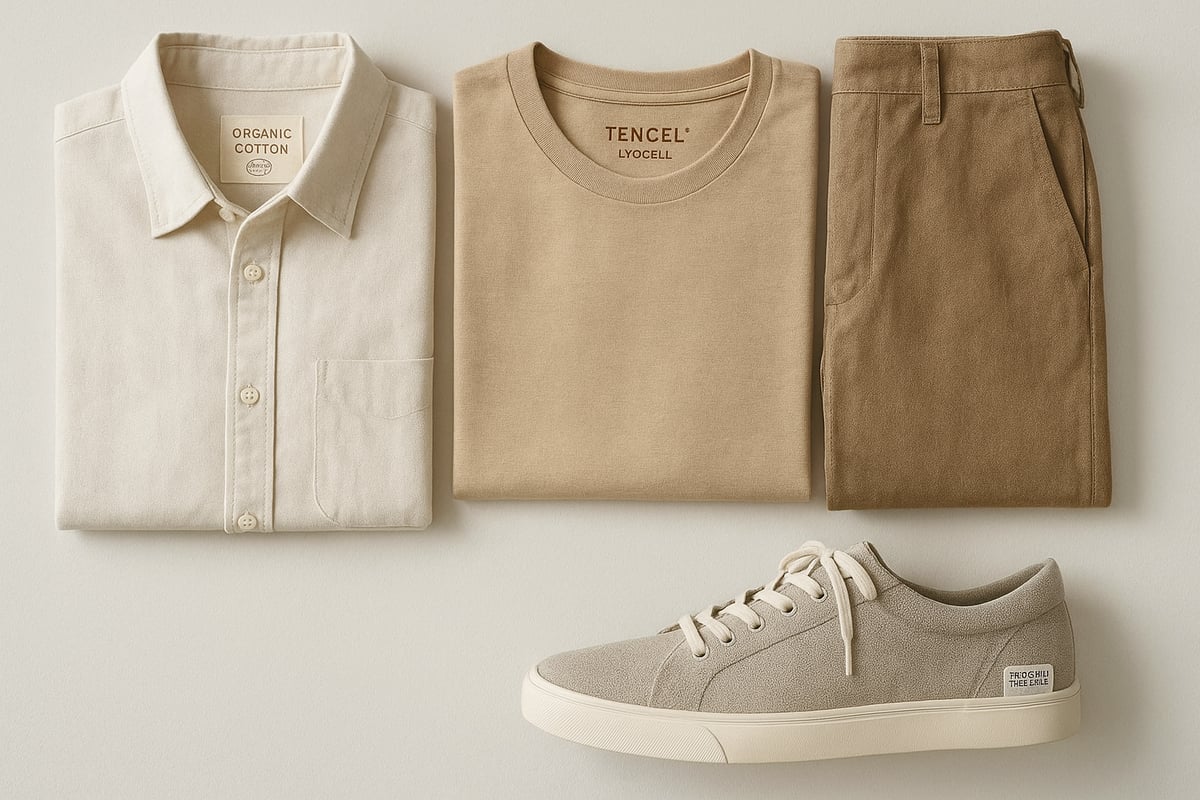
Choosing the right materials is crucial for building a truly sustainable menswear wardrobe. Today’s leading eco-friendly fibers include organic cotton, TENCEL™ Lyocell, hemp, and recycled polyester. TENCEL™ Lyocell stands out for its exceptional softness, breathability, and efficient, low-impact production process. Hemp is valued for its strength and minimal water use, while recycled polyester helps divert plastic waste from landfills. The move toward vegan and cruelty-free materials is also gaining traction, with brands using plant-based dyes and pioneering zero-water dyeing processes. Some even transform ocean plastics into durable fabrics, showing how sustainable menswear blends innovation with environmental stewardship.
Certifications: Ensuring Authentic Sustainability
Certifications are vital for verifying a brand’s commitment to sustainable menswear. Look for trusted labels such as GOTS (Global Organic Textile Standard), OEKO-TEX®, Bluesign, and Fair Trade. These certifications ensure textiles are produced with strict environmental and ethical standards. In 2025, GOTS-certified textiles saw an 18% increase, reflecting growing consumer demand for authenticity. To avoid misleading claims, always check for third-party verification on product tags and brand websites. For a deeper understanding of these standards and how to identify them, consult the Guide to Key Social Fashion Sustainability Certifications. With the right certifications, you can confidently invest in sustainable menswear that aligns with your values.
Top Sustainable Menswear Brands and Essentials for 2026
Building a responsible wardrobe in 2026 means knowing which brands set the benchmark for sustainable menswear and which essentials truly matter. The following guide explores industry leaders and must-have staples that combine eco-friendly innovation, style, and ethical values.
Leading Brands Setting the Standard
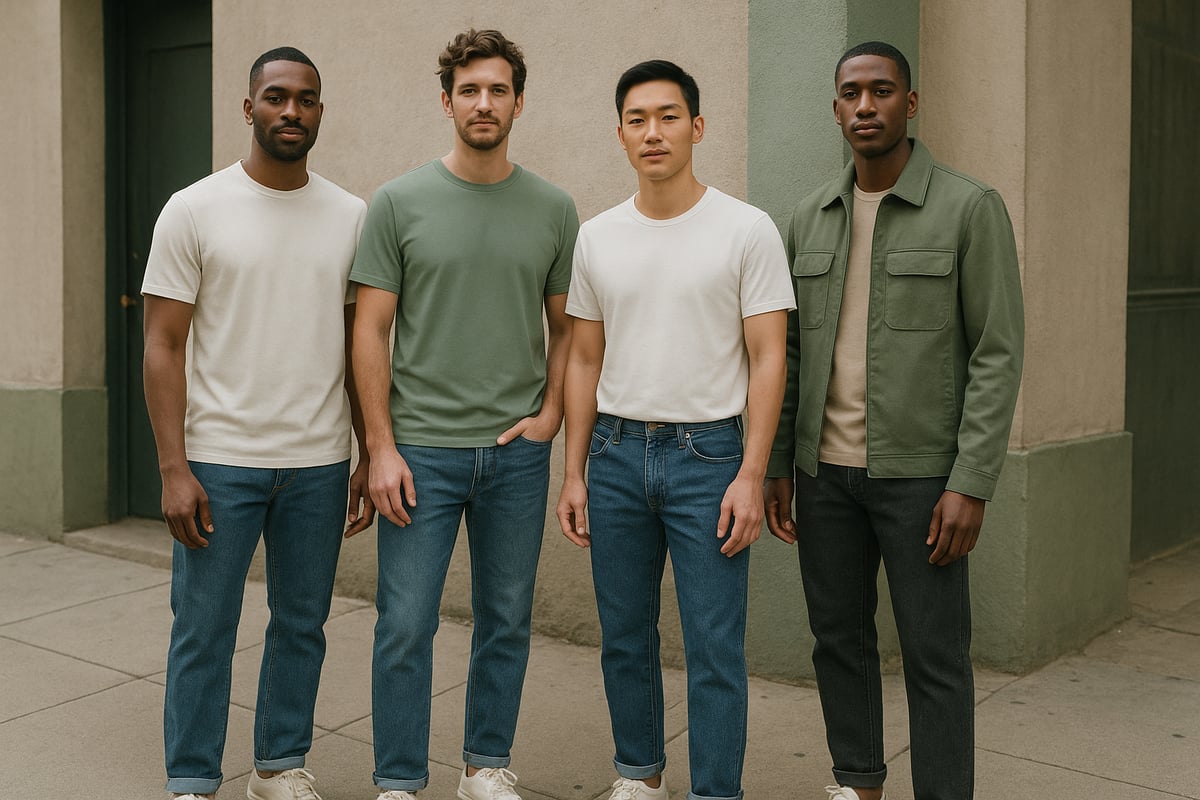
Several brands are redefining sustainable menswear with transparent sourcing, responsible manufacturing, and inclusive sizing. Outerknown stands out with Bluesign-certified fabrics and a commitment to fair labor. Harvest & Mill sources US-grown organic cotton and supports local artisans, while unspun innovates with custom-fit, zero-inventory denim to minimize waste.
Inclusivity is a growing focus, with brands like Girlfriend Collective and Wuxly Movement offering extended sizes and gender-neutral options. Transparency has become non-negotiable, with rating platforms such as Good On You enabling consumers to evaluate brands based on their sustainability credentials.
Many of these leaders donate to social causes and use closed-loop production systems, ensuring style diversity from basics to formalwear. The number of sustainable menswear brands rose by 30% between 2023 and 2025, reflecting rising consumer demand for both ethical and fashionable choices.
Must-Have Sustainable Wardrobe Staples
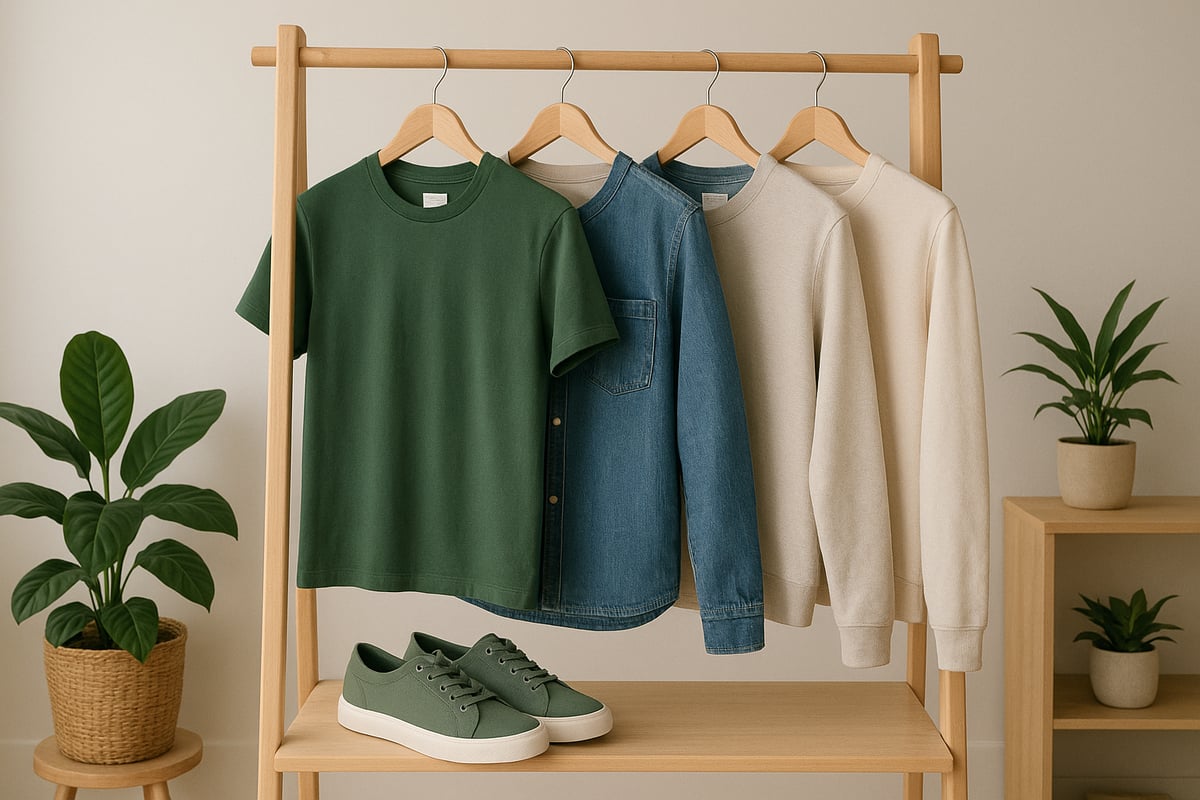
A curated selection of essentials forms the backbone of every sustainable menswear wardrobe. Look for organic cotton tees, recycled denim, TENCEL™ underwear, vegan outerwear, and eco-friendly sneakers. These pieces offer durability, comfort, and timeless appeal, ensuring they outlast fleeting trends.
Prioritize quality and minimalist design with neutral colors for maximum versatility. Performance features like moisture-wicking and easy care add everyday practicality. When selecting TENCEL™ underwear, consider options highlighted in the Best TENCEL™ boxer briefs guide for softness and sustainability.
Mix and match layers to adapt to different occasions, focusing on brands that excel in each product category. By choosing these essentials, you invest in sustainable menswear that balances style, comfort, and environmental responsibility.
How to Shop for Sustainable Menswear: Practical Tips
Shopping for sustainable menswear in 2026 requires a thoughtful approach. With mindful choices, you can build a wardrobe that reflects your values and personal style. Here are practical strategies to guide your journey.
Evaluating Brands and Products
Begin by checking for transparent supply chains and reputable ethical certifications such as GOTS or Fair Trade. Investigate a brand’s labor standards, environmental policies, and material sourcing.
Use third-party directories or rating apps for quick assessments. Always read product labels and verify claims with trusted certifications. For example, look for breathable, eco-friendly underwear crafted from certified organic fibers.
Choosing sustainable menswear means prioritizing brands committed to both people and planet.
Building a Responsible Wardrobe
Start by replacing fast fashion with timeless basics like organic tees and recycled denim. Focus on quality, durability, and minimalist design for a foundation that lasts.
Consider secondhand or vintage finds to extend the lifecycle of clothing. Maintain and repair your garments to minimize waste. For more inspiration, explore minimalist men's style tips that encourage a versatile and responsible wardrobe.
Donate or recycle items you no longer wear.
Budgeting and Accessibility
Building a sustainable menswear wardrobe does not have to be expensive. Invest in key pieces, and look for brands offering multipacks or discounts on essentials.
Take advantage of seasonal sales and explore rental services for special occasions. The growing range of options means sustainable menswear is now available at multiple price points.
Balance investment with affordability, ensuring your choices remain accessible and impactful.
The Future of Sustainable Menswear: Trends to Watch in 2026
The landscape of sustainable menswear in 2026 is rapidly evolving, driven by innovation and shifting consumer values. As the industry embraces new technology and practices, men have more choices than ever to align their wardrobes with ethical and environmental priorities.
Innovations Shaping the Industry
Sustainable menswear is being transformed by cutting-edge materials and production methods. Biodegradable fabrics, such as plant-based textiles, are gaining traction for their minimal environmental footprint. Closed-loop recycling systems are enabling brands to reclaim and reuse fibers, reducing waste significantly.
Smart textiles are emerging, offering antimicrobial and temperature-regulating properties while maintaining comfort. Blockchain and AI are enhancing transparency, allowing consumers to trace garments from source to store. Events like France's First Slow Fashion Week highlight innovations in recycled and locally produced menswear, setting new standards for the industry.
Consumer Shifts and Market Growth
The global market for sustainable menswear is expected to reach 9 billion dollars by 2026, reflecting surging demand and heightened awareness among male shoppers. Social media and influencers play a crucial role in spreading knowledge about eco-friendly choices and ethical practices.
Men are increasingly seeking brands that offer degendered and inclusive collections. According to the Sustainable Apparel Market Forecast 2025–2035, this growth is set to continue as consumers prioritize both style and sustainability in their purchasing decisions.
Challenges and Opportunities
Despite progress, sustainable menswear faces challenges such as greenwashing, limited accessibility, and scalability issues. Brands must improve transparency and adopt rigorous regulatory standards to build trust.
Consumer activism is vital in holding companies accountable and pushing for industry-wide change. Staying informed, supporting authentic brands, and advocating for better standards will shape the next era of sustainable menswear.

