

Polyester is everywhere. From your favorite gym shirt to your cozy bed sheets, this fabric has become a staple in our daily lives. But have you ever stopped to consider why polyester is bad for both you and the environment?
Many people choose polyester because it is affordable and easy to care for. However, beneath its popularity lie concerns about its impact on the planet and our health. Hidden drawbacks, such as pollution and discomfort, have started to shift the conversation.
This guide will explore why polyester is bad in 2026. We will examine its environmental footprint, health risks, comfort issues, industry shifts, and the best alternatives available today. Ready to make smarter fabric choices? Read on to find out more.
What Is Polyester? A Quick Overview
Polyester is a synthetic fiber made from petroleum through a chemical process. This material first entered the fashion industry in the mid-20th century, quickly gaining traction for its resilience and ease of care. Over time, polyester became a staple in global textile manufacturing.
One reason for its widespread use is its affordability. Polyester is cheaper to produce than most natural fibers, making it attractive to brands and manufacturers. Its durability and ability to resist wrinkles also contribute to its ongoing popularity.
You can find polyester in a vast array of everyday items, including:
- Clothing such as shirts, dresses, and pants
- Home textiles like curtains and bedding
- Sportswear and activewear
In 2022, the fashion industry produced an astonishing 47 million tonnes of polyester clothing. This figure highlights the scale of polyester’s dominance in the textile world.
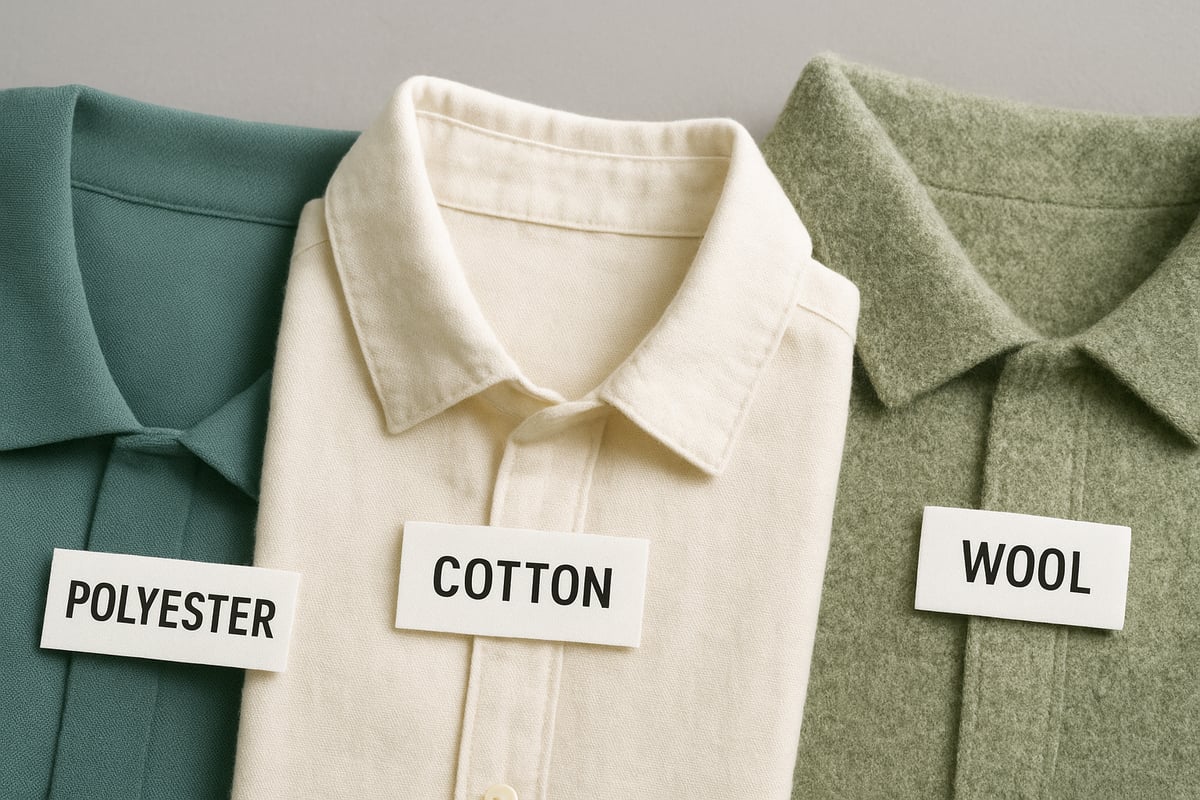
To better understand why polyester is bad, it helps to compare it with natural fibers. Unlike cotton or wool, polyester is produced in much larger quantities, and its synthetic nature raises environmental and health concerns.
| Fiber Type | 2022 Production Volume (tonnes) | Common Uses |
|---|---|---|
| Polyester | 47 million | Clothing, sportswear, home textiles |
| Cotton | 26 million | Clothing, bedding, towels |
| Wool | 1 million | Sweaters, suits, blankets |
Manufacturers continue to favor polyester for its low cost and versatility, despite growing awareness of its drawbacks. This widespread preference is a key reason why polyester is bad for both people and the planet.
Environmental Impact: Polyester’s Hidden Cost
Polyester’s environmental footprint is far larger than most consumers realize. Its impact stretches from our oceans to the air we breathe, making it crucial to understand why polyester is bad for both the planet and people.
Microplastic Pollution and Oceans
Every time you wash or wear polyester, it sheds tiny plastic fibers known as microplastics. These microplastics travel through wastewater systems and end up in rivers and oceans, threatening marine life and entering the food chain.
Recent studies highlight that synthetic textiles like polyester are a leading source of microplastic pollution in European waters. For a deeper look at this issue, see this overview of microplastics from textiles in Europe.
Microplastics have now been detected in human placentas and seafood, raising new health concerns. This is a key reason why polyester is bad for both ecosystems and human health.
Non-Biodegradability and Landfill Crisis
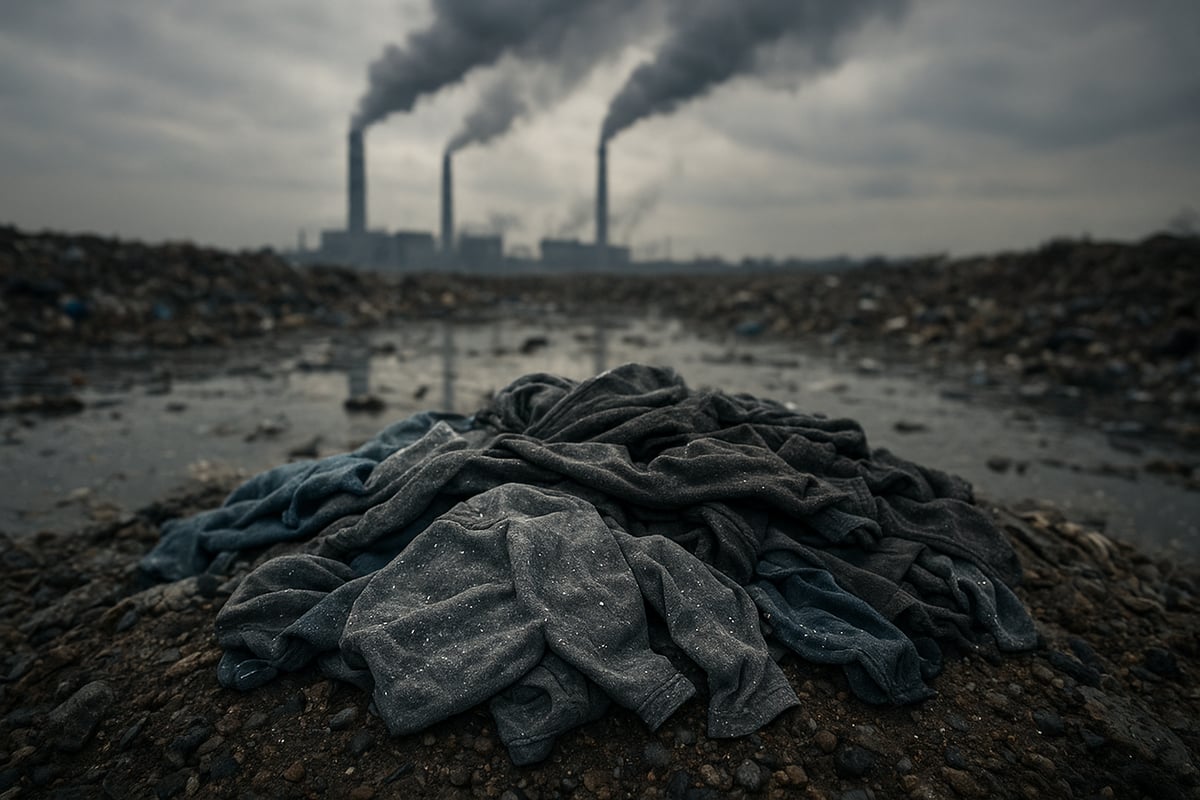
Polyester’s synthetic structure means it does not biodegrade like natural fibers. When polyester garments reach landfills, they can persist for decades or even centuries, outlasting the people who wore them.
As the volume of discarded polyester rises, so does the strain on global waste management systems. Landfills are filling up with polyester clothing, making this another example of why polyester is bad for the environment and waste sustainability.
Energy Use and Carbon Emissions
The production of polyester is highly energy-intensive, requiring oil extraction and significant heat and power. In 2022 alone, polyester manufacturing generated approximately 125 million tonnes of CO2 emissions.
This far exceeds the carbon footprint of natural fiber production. As a result, polyester continues to contribute to climate change, highlighting the urgent need for more sustainable fabric choices.
Health and Comfort Concerns of Polyester
Polyester is often seen as a practical choice, but its impact on health and comfort raises serious questions. Understanding why polyester is bad for your wellbeing involves looking at the way it interacts with your skin, the chemicals it contains, and even the air you breathe indoors.

Skin Irritation and Breathability Issues
One major reason why polyester is bad is its lack of breathability. Unlike cotton or TENCEL Lyocell, polyester traps heat and moisture, making you sweat more and feel sticky, especially in warm weather.
Many people report skin irritation, redness, or even rashes after wearing polyester for extended periods. The discomfort is especially noticeable in tight-fitting apparel or undergarments. If you want to learn more about fabrics that can help prevent these issues, check out this Breathable men's underwear guide.
These problems highlight why polyester is bad for comfort and skin health.
Chemical Exposure and Potential Risks
Another factor in why polyester is bad is the use of harsh chemicals during its production. Dyes, finishing agents, and antistatic treatments can remain in the fabric long after manufacturing.
There are concerns that toxins from synthetic fabrics may leach onto your skin, raising questions about hormone disruption and even cancer risk. While scientific consensus is still developing, it is clear that these chemical exposures are worth considering in your fabric choices.
Microfiber Inhalation and Indoor Air Quality
Polyester does not just shed microfibers into water, but also into the air in your home. Tiny fibers break off from clothing and textiles, becoming airborne and easy to inhale.
Recent studies suggest that long-term exposure to these microfibers could impact respiratory health, especially in poorly ventilated spaces. This adds another layer to why polyester is bad for your overall wellbeing.
Polyester in Fast Fashion: Industry Trends and Consumer Impact
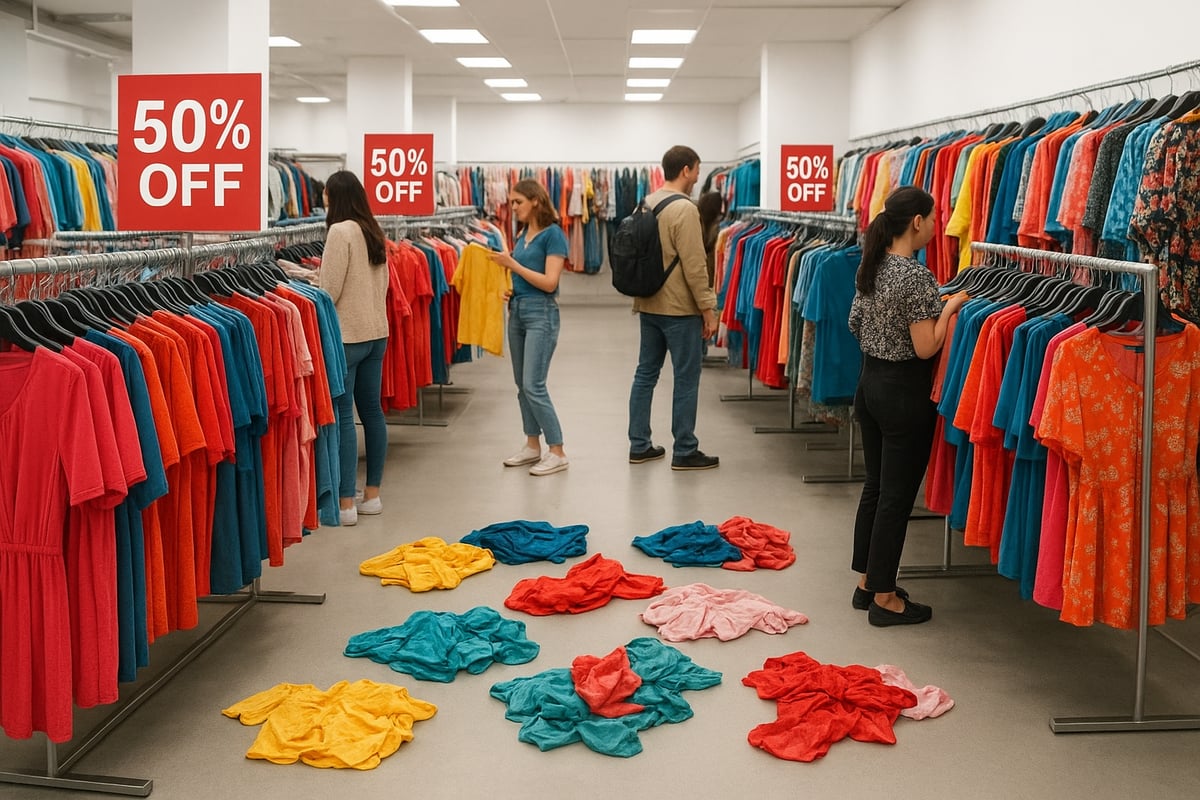
Polyester has become the backbone of fast fashion, powering a global industry built on speed and low cost. Its affordability and versatility allow brands to churn out new collections rapidly, making trendy clothing accessible to millions. However, this convenience comes with significant drawbacks.
The rise of polyester has fueled a disposable clothing culture. Garments made from polyester are often worn only a handful of times before being discarded. In fact, when comparing average lifespans, polyester pieces lag behind natural fiber alternatives.
| Fiber Type | Average Garment Lifespan |
|---|---|
| Polyester | 35 wears |
| Cotton | 75 wears |
| Wool | 100 wears |
While polyester’s durability is often praised, low production costs encourage overproduction and underuse, resulting in massive textile waste. These short-lived items contribute to overflowing landfills and increased environmental pressure, highlighting why polyester is bad for both people and the planet.
Fast fashion’s reliance on polyester also raises ethical concerns. Many polyester garments are produced in factories with poor labor conditions, low wages, and limited worker protections. This adds a social dimension to the fabric’s environmental footprint.
In recent years, consumer awareness around fabric choices and sustainability has grown. Shoppers are increasingly seeking out ethical brands and eco-friendly materials. According to industry data, demand for sustainable fabrics has risen steadily since 2020, prompting brands to rethink their sourcing and production practices. For those interested in practical alternatives, this eco-friendly men's clothing overview provides valuable guidance on transitioning away from polyester-based options.
Understanding why polyester is bad empowers consumers to make more responsible fashion choices, supporting a shift towards a more sustainable and ethical industry.
Sustainable Alternatives to Polyester: What to Choose in 2026
The urgency to rethink fabric choices is growing as consumers learn why polyester is bad. Fortunately, sustainable alternatives are more accessible than ever. By understanding the strengths and limitations of each option, you can make informed decisions that benefit both your well-being and the planet.
Natural Fibers: Cotton, Wool, Linen
Natural fibers remain a top choice for those exploring why polyester is bad. These materials are praised for their comfort, breathability, and ability to biodegrade at the end of their life cycle.
| Fiber | Biodegradability | Comfort | Care | Limitation |
|---|---|---|---|---|
| Cotton | Yes | Soft | Easy | High water use |
| Wool | Yes | Warm | Special | Cost, care needed |
| Linen | Yes | Cool | Moderate | Wrinkles easily |
Organic cotton, in particular, stands out for reduced chemical use and skin-friendliness. For more details on the advantages of organic cotton, see Organic cotton boxer briefs benefits.
When comparing longevity, these fibers often outlast polyester in daily wear, providing a more comfortable and sustainable experience.
Next-Generation Sustainable Fabrics
Innovative fabrics are redefining what it means to dress sustainably. TENCEL™ Lyocell, bamboo, organic hemp, and recycled fibers are gaining traction for their eco-friendly production processes and renewable sources.
TENCEL™ Lyocell uses a closed-loop system, minimizing waste and emissions. Bamboo and hemp grow quickly with little need for pesticides, making them resource-efficient. Recycled fibers reduce reliance on virgin materials and support circular fashion.
Brands are increasingly adopting these fabrics in 2026, responding to rising demand for alternatives that address why polyester is bad. Look for companies pioneering sustainable menswear and eco-conscious collections to lead your wardrobe choices.
How to Identify Truly Sustainable Clothing
To avoid greenwashing and ensure your next purchase aligns with your values, scrutinize fabric labels and certifications. When evaluating why polyester is bad, knowing what to look for helps you steer clear of misleading claims.
- Seek certifications like OEKO-TEX, GOTS, and Fair Trade.
- Beware of vague terms such as "eco-friendly" without substantiation.
- Research brands' transparency and supply chain commitments.
For trustworthy options, consult curated lists and sustainability resources before buying. Making informed decisions empowers you to reduce your reliance on polyester and support a healthier textile industry.
The Future of Fabric Choices: What Consumers Need to Know
Understanding why polyester is bad is crucial for anyone looking to make positive changes in their wardrobe and the environment. The evidence is clear: polyester harms the planet and can compromise comfort and health, making the urgency for better choices more pressing than ever.
Today, fabric literacy is becoming a vital skill for eco-conscious consumers. Learning to read labels, recognize certifications, and spot misleading claims helps you avoid unsustainable options. This knowledge empowers you to make decisions that align with your values.
Regulations and textile innovations are rapidly changing the market. New policies are pushing brands to reduce reliance on synthetics, while next-generation fabrics offer lower-impact alternatives. Staying informed about these shifts means you can support companies paving the way for responsible fashion.
To reduce polyester use, try upcycling old garments, shopping secondhand, or seeking out certified sustainable clothing. Explore resources like sustainable menswear alternatives for ideas on eco-friendly swaps. These steps help minimize waste and support a circular textile economy.
Consumer demand is a powerful driver of change. Since 2024, major brands have responded to calls for transparency and accountability by investing in sustainable materials and processes. Your choices have the power to influence the entire industry.
By staying aware of why polyester is bad and making mindful purchases, you become part of a growing movement for healthier people and a healthier planet. Every decision matters—choose fabrics that reflect your commitment to sustainability.

