

Have you ever wondered about the hidden toll your socks take on the planet? Most synthetic socks shed microplastics, contributing to pollution and landfill waste. As awareness grows, more people are searching for plastic free socks to reduce their environmental footprint.
This guide uncovers 9 essential plastic free socks that promise unmatched comfort and eco-friendliness for 2026. You will discover top brands, innovative natural materials, trusted sustainability certifications, and what sets each option apart.
Ready to make a healthier, greener choice for your feet and the Earth? Read on to find your perfect pair.
Why Go Plastic-Free With Your Socks?
Synthetic socks, made from polyester or nylon, are a hidden source of microplastic pollution. Every wash releases tiny plastic fibers into waterways, ultimately harming aquatic life and entering the food chain. According to the European Environment Agency, textiles are a major contributor to microplastics in our environment.
Switching to plastic free socks means choosing natural fibers like organic cotton, bamboo, or hemp. These materials are breathable, hypoallergenic, and wick moisture away from your skin, providing comfort throughout the day.
Growing awareness about the dangers of synthetic textiles is shaping consumer habits. Recent studies show that demand for plastic free socks and clothing is rising fast as people seek healthier, more sustainable options.
Governments worldwide are responding. The EU and US are considering or implementing regulations that restrict certain plastics in textiles, signaling a shift toward safer, planet-friendly materials.
Natural socks also tend to outlast their synthetic counterparts. Because they do not break down as quickly and avoid pilling, plastic free socks offer better longevity and value over time.
Let’s break down the benefits:
- Healthier for your skin
- Reduces environmental damage
- Lasts longer, saves money
- Supports ethical brands
| Feature | Plastic Free Socks | Synthetic Socks |
|---|---|---|
| Breathability | High | Low |
| Microplastic Risk | None | High |
| Comfort | Excellent | Varies |
| Longevity | Strong | Moderate |
Choosing plastic free socks is not just about comfort or style. It is an ethical decision that supports transparent supply chains and responsible manufacturing. The long-term cost savings, combined with health and environmental benefits, make it a smart investment for today’s conscious consumer.
9 Essential Plastic Free Socks for Eco-Friendly Comfort 2026
Looking for the best plastic free socks to support your eco-friendly lifestyle in 2026? Discover nine standout options that combine sustainability, comfort, and style. Each selection features natural materials and ethical production, ensuring your feet and the planet both benefit. Use this guide to find the perfect fit for your needs and values.
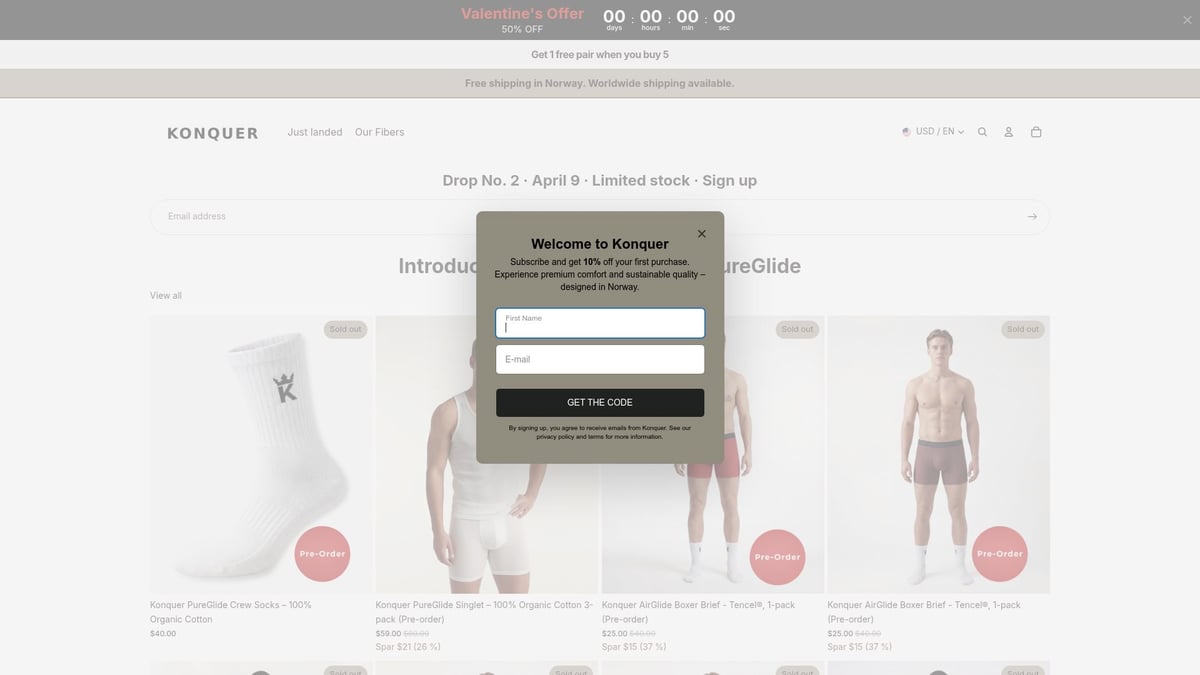
Konquer PureGlide Crew Socks
Price: $40.00
Experience unmatched comfort with these 100% organic cotton socks. Zero synthetics make them a leading choice for plastic free socks, gentle on skin and breathable all day. Ethically produced with a transparent supply chain, they feature a minimalist Nordic design and are shipped free in Norway, with global delivery available.
Pros: Durable, sustainable, stylish
Cons: Premium price point
Ideal for men who prioritize comfort, transparency, and sustainability. For a deeper dive into eco-friendly menswear, explore this Sustainable men's clothing guide.
Organic Basics Organic Cotton Socks
Price: $23 (2-pack)
These socks are crafted from GOTS-certified organic cotton, making them a strong option for plastic free socks. They contain no polyester or elastane, use low-impact dyes, and are produced in ethical European factories.
Pros: Affordable, minimalist, vegan-friendly
Cons: Limited color options
Ideal for eco-conscious shoppers seeking transparency and simplicity.
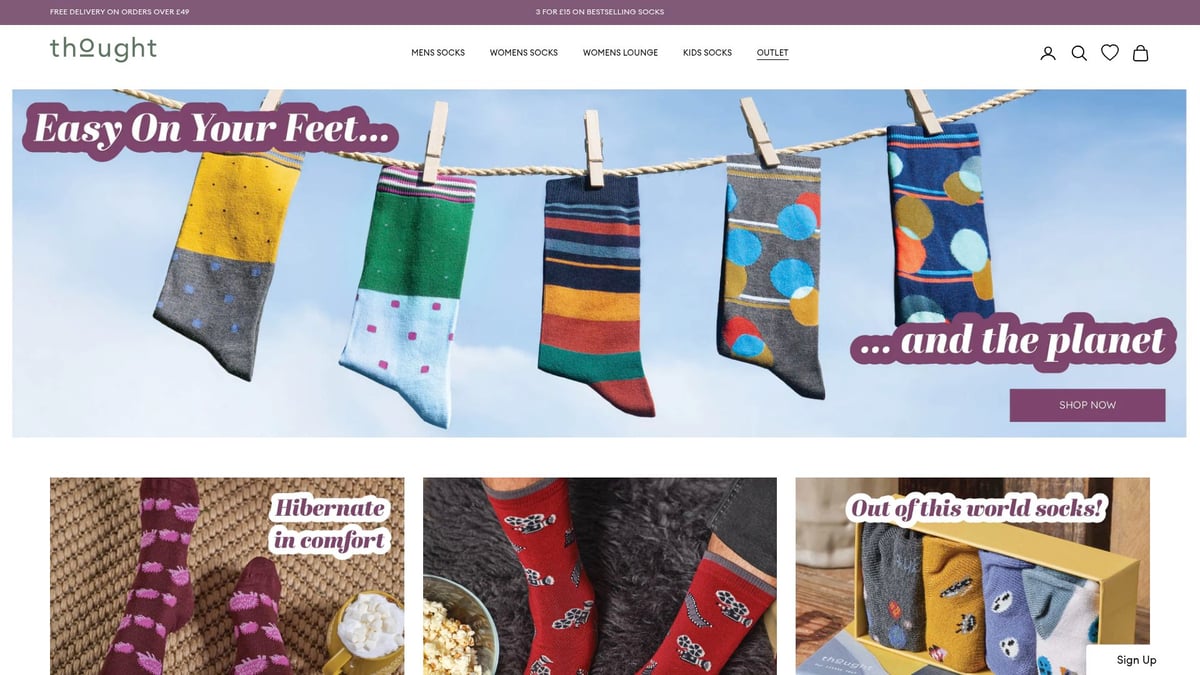
Thought Bamboo & Organic Cotton Socks
Price: $11.95 per pair
Combining bamboo and GOTS organic cotton, these plastic free socks offer exceptional softness and natural odor resistance. Packaging is plastic-free, and the socks are certified vegan.
Pros: Ultra-soft, antibacterial
Cons: Slightly less durable than wool
Perfect for sensitive skin or allergy sufferers.
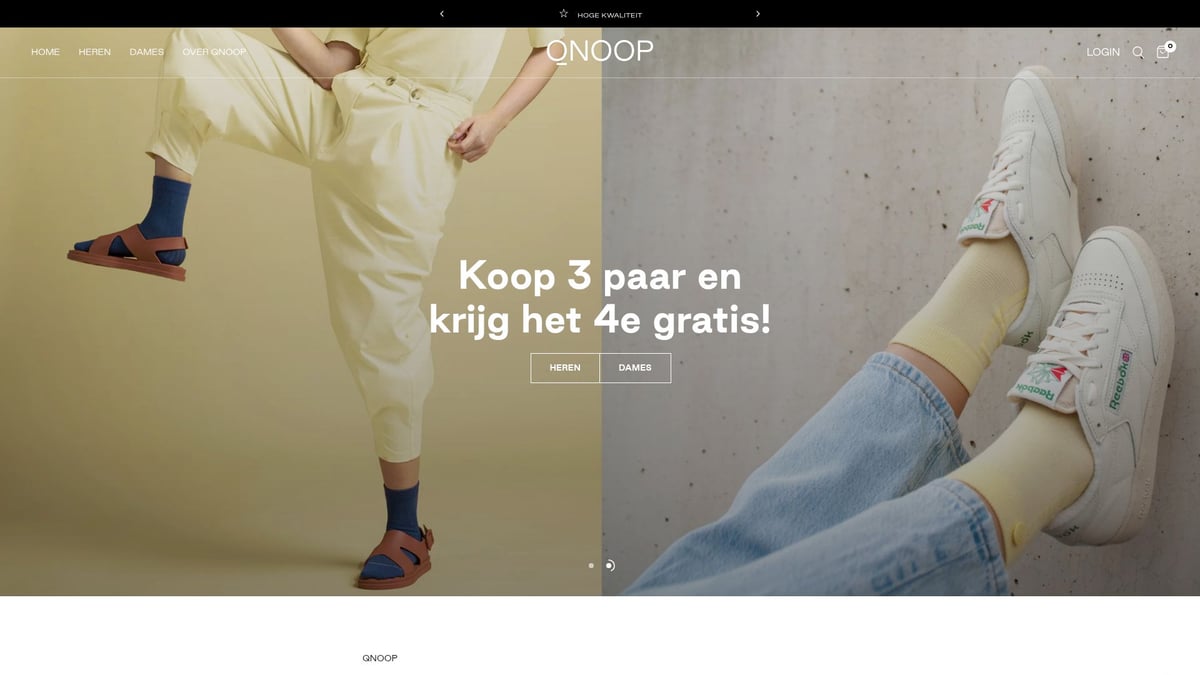
Qnoop Organic Cotton Socks
Price: €13.50 per pair
Made from GOTS-certified organic cotton, these plastic free socks contain no synthetics. Their unique button fastening keeps pairs together. Produced in Portugal with fair labor.
Pros: Innovative fastening, stylish designs
Cons: Ships only within Europe
Great for fashion-forward, eco-conscious buyers.
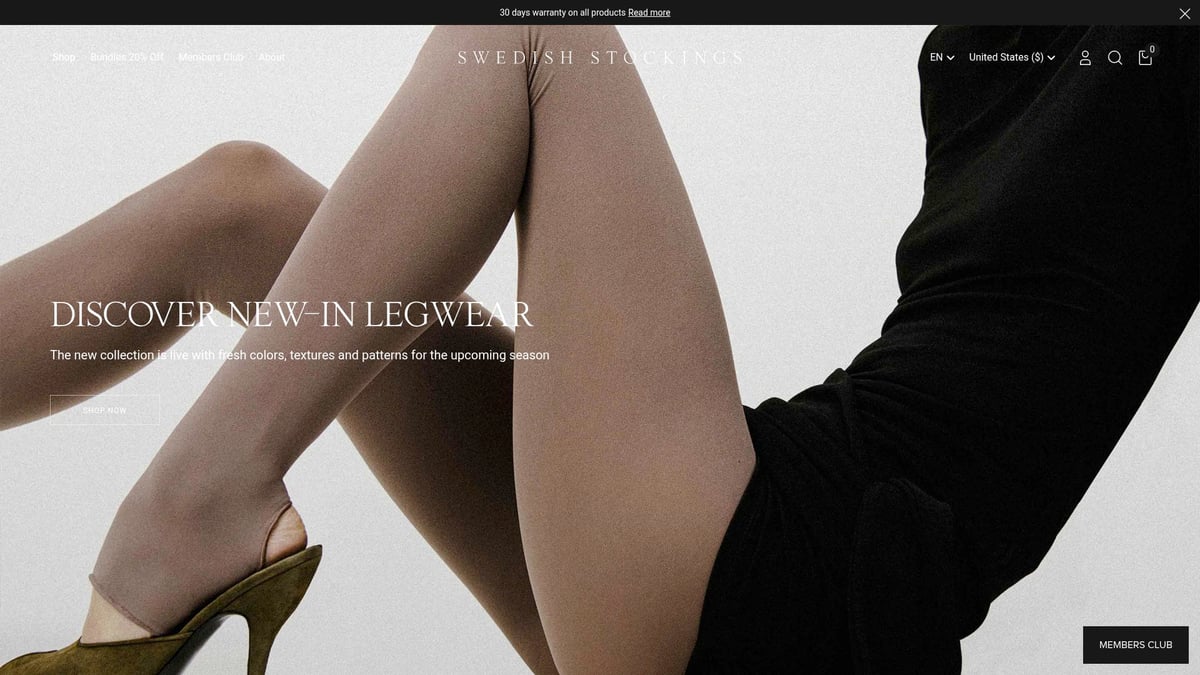
Swedish Stockings Zero Waste Cotton Socks
Price: $18 per pair
Produced from recycled and organic cotton, these socks are a staple for anyone seeking plastic free socks. The brand’s closed-loop, zero-waste approach sets a benchmark in circular fashion.
Pros: Circular economy, durable
Cons: Limited sizing
Best for those supporting zero-waste initiatives.
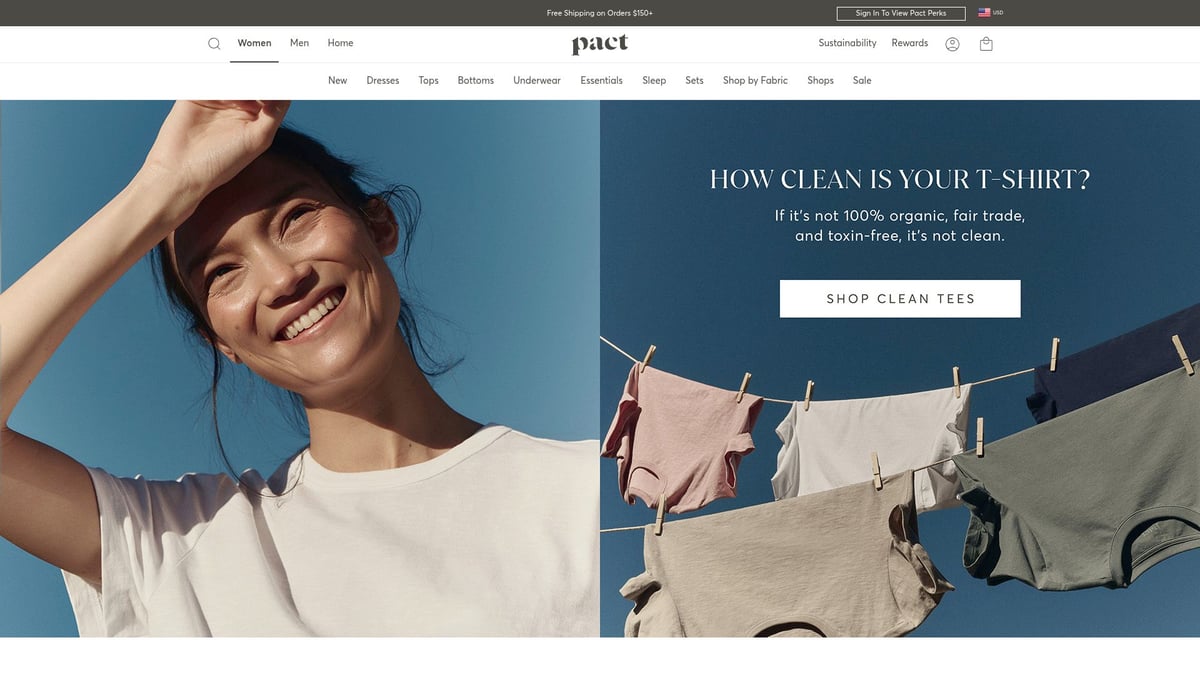
Pact Essential Crew Socks
Price: $14 (3-pack)
These socks are made from GOTS-certified organic cotton, and contain no synthetic blends, making them ideal plastic free socks. Produced in Fair Trade factories, they come with carbon-neutral shipping.
Pros: Value pack, ethical sourcing
Cons: Basic style
Perfect for families or those buying in bulk.
Arvin Goods Organic Cotton Crew Socks
Price: $14 per pair
Arvin Goods offers plastic free socks crafted from recycled and organic cotton, with no polyester or nylon. Their water-saving processes and minimalist packaging add to their appeal.
Pros: Water-efficient, budget-friendly
Cons: Fewer patterns
Ideal for eco-minded shoppers on a budget.
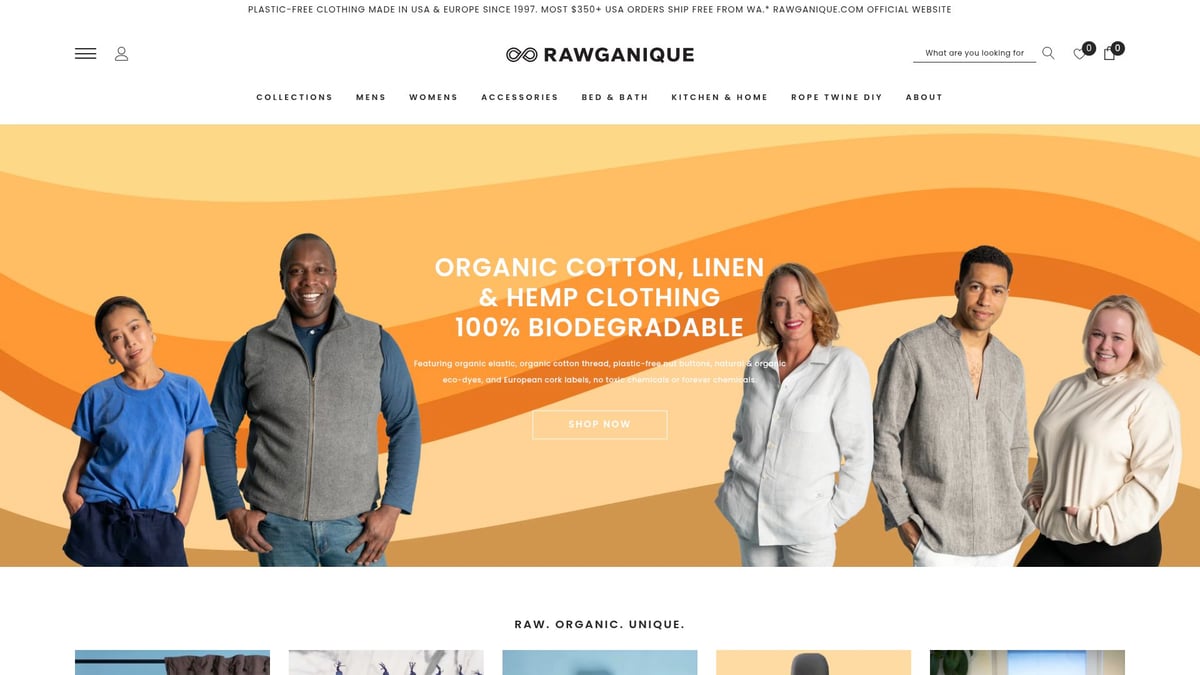
Rawganique Organic Cotton Socks
Price: $19 per pair
Handcrafted in Europe and the USA from 100% organic cotton, these plastic free socks are chemical-free, dye-free, and hypoallergenic.
Pros: Non-toxic, handcrafted
Cons: Higher price
Excellent for those with allergies or chemical sensitivities.
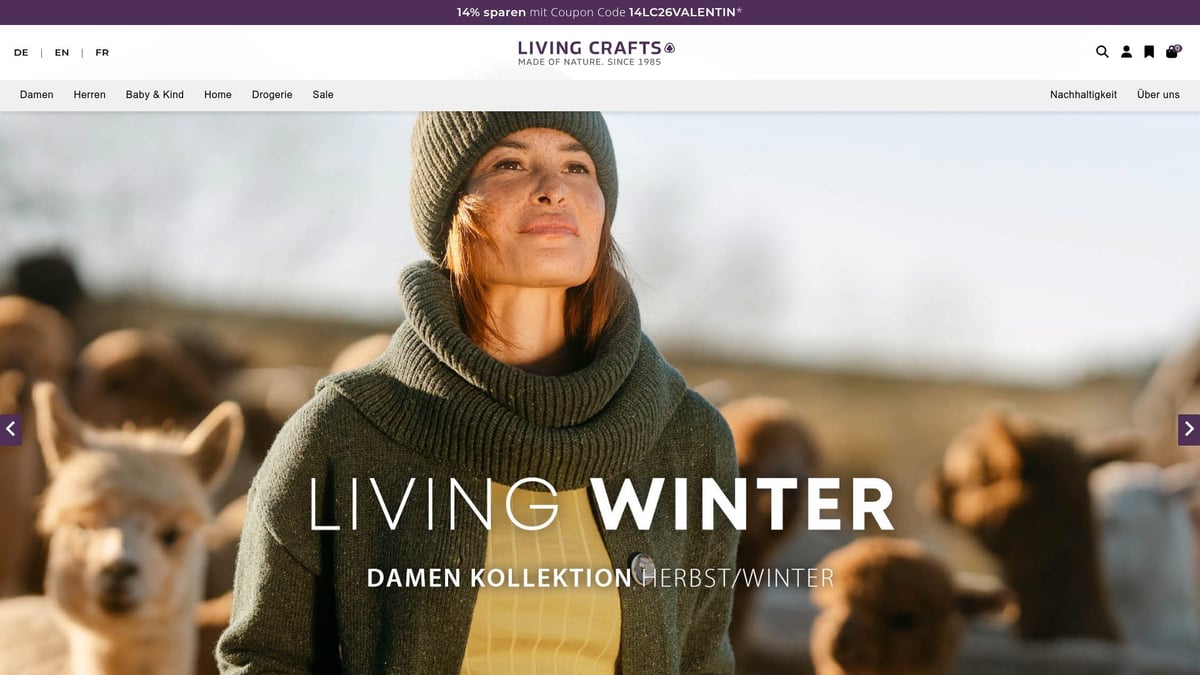
Living Crafts Organic Cotton Socks
Price: €8.99 per pair
Made in Germany from GOTS-certified organic cotton, these plastic free socks contain no elastane or synthetics. They are produced under strict eco-friendly standards.
Pros: Affordable, classic style
Cons: Primarily available in the EU
Best for daily wear and European customers.
| Brand | Main Material | Price | Best For |
|---|---|---|---|
| Konquer PureGlide | Organic Cotton | $40 | Premium comfort |
| Organic Basics | Organic Cotton | $23 (2) | Transparency |
| Thought | Bamboo/Cotton | $11.95 | Sensitive skin |
| Qnoop | Organic Cotton | €13.50 | Fashion-forward |
| Swedish Stockings | Recycled/Organic Cotton | $18 | Zero-waste |
| Pact | Organic Cotton | $14 (3) | Families |
| Arvin Goods | Recycled/Organic Cotton | $14 | Budget |
| Rawganique | Organic Cotton | $19 | Allergies |
| Living Crafts | Organic Cotton | €8.99 | Everyday |
Choose the plastic free socks that best match your lifestyle and values. Each of these brands leads the way in comfort, ethics, and sustainability.
How to Choose Truly Plastic-Free Socks
Selecting plastic free socks goes beyond picking a natural fiber label. With so many brands claiming sustainability, understanding what truly sets them apart is essential.
Look for trusted certifications like GOTS and OEKO-TEX, which ensure your socks meet rigorous environmental and safety standards. These labels guarantee that your socks are free from harmful plastics and chemicals often found in synthetics. To avoid hidden plastics, always check for terms like elastane, polyester, nylon, or other blended fibers on the packaging. For more on why these hidden plastics matter, see the environmental impact of synthetic fibers.
Natural dyes and chemical-free processing are vital for sensitive skin, reducing irritation and toxic exposure. Consider how natural fibers may stretch or shrink over time, so review sizing charts and washing instructions carefully.
Here’s a quick checklist for buying plastic free socks:
| Feature | What to Look For |
|---|---|
| Certifications | GOTS, OEKO-TEX |
| Materials | 100% cotton, bamboo, hemp |
| Avoid | Elastane, polyester, nylon |
| Dyes | Plant-based, chemical-free |
| Care | Gentle wash, air dry recommended |
| Supply Chain | Transparent, ethical sourcing |
Investing in quality means your socks last longer, lowering cost per wear and supporting brands with ethical practices. Choosing wisely ensures comfort, durability, and a smaller ecological footprint.
The Future of Eco-Friendly Socks: Trends for 2026
The landscape of plastic free socks is evolving rapidly, driven by innovation in natural fiber technology. Brands are exploring hemp, bamboo, and regenerative cotton to create softer, more durable, and entirely renewable options. These advances not only reduce environmental impact but also enhance wearer comfort, as highlighted in discussions on premium comfort with natural fibers.
Biodegradable packaging and zero-waste manufacturing are becoming standard practices for top eco-conscious sock brands. Digital transparency is also gaining momentum, with blockchain and traceability tools enabling consumers to verify supply chain ethics and sustainability claims.
Circular fashion is on the rise, with take-back programs and recycling initiatives closing the loop on textile waste. As consumer education grows, more shoppers are prioritizing sustainability and transparency in every purchase.
The market for plastic free socks is set to surge, reflecting a broader trend in sustainable apparel. According to recent data on microplastic-free clothing market growth, demand for eco-friendly alternatives is projected to climb steadily through 2026.
With leading brands at the forefront, expect to see continued breakthroughs in design, comfort, and responsible production, making plastic free socks a mainstream choice for conscious consumers.

