

Discover how organic cotton apparel is shaping the future of sustainable fashion in 2026. As eco-friendly clothing gains momentum, both consumers and brands are rethinking their choices to protect the environment.
Organic cotton apparel has become a beacon for ethical production and reduced environmental impact. By choosing organic cotton apparel, you can support farming methods that prioritize soil health, water conservation, and fair labor practices.
Are you ready to make a difference with your wardrobe? This guide will empower you to shop smarter and greener by exploring the essentials of organic cotton apparel. We will cover what organic cotton is, its sustainability benefits, the latest 2026 trends, how to identify authentic organic cotton, and practical steps for building an eco-conscious closet.
What is Organic Cotton?
Organic cotton apparel is made from cotton grown using environmentally friendly and ethical practices, setting it apart from conventional cotton. The key differences lie in farming methods, use of chemicals, and genetic modification.
| Feature | Organic Cotton | Conventional Cotton |
|---|---|---|
| Pesticides | Natural only | Synthetic, chemical |
| GMOs | Not allowed | Commonly used |
| Water Use | Lower, conserved | Higher, less managed |
To ensure authenticity, certifications like Global Organic Textile Standard (GOTS), USDA Organic, and OEKO-TEX® ORGANIC COTTON Certification verify that products meet strict environmental and health criteria.
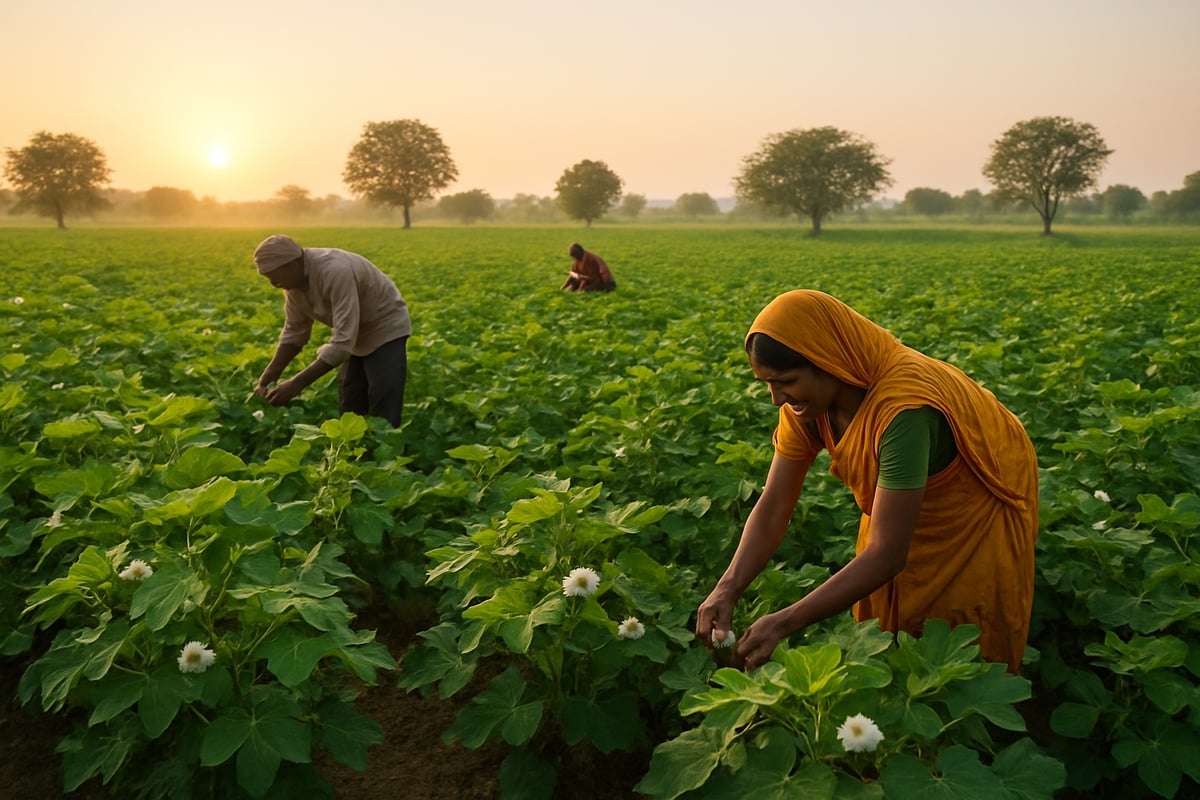
Organic cotton farming relies on crop rotation, natural pest control, and water conservation. These methods reduce chemical exposure for farmers and consumers, promoting safer working conditions and healthier garments.
GOTS-certified farms in India and Turkey are leading global production, reflecting a commitment to best practices. In 2023, organic cotton represented just 1 percent of total cotton output, but the market is expanding rapidly.
Choosing organic cotton apparel is more than a fabric choice, it is a movement towards cleaner fashion. With each purchase, you help support biodiversity and improve soil health for future generations.
Environmental and Social Benefits of Organic Cotton Apparel
The shift toward organic cotton apparel is more than a fashion statement. It represents a commitment to protecting our planet and improving lives across the supply chain. Let’s break down the main environmental and social benefits that make organic cotton apparel a responsible choice.
Reduced Environmental Impact
Organic cotton farming uses up to 91% less water than conventional methods, according to the Textile Exchange 2022 report. This dramatic reduction helps conserve precious freshwater resources in regions where scarcity is a growing concern.
By avoiding synthetic pesticides and fertilizers, organic cotton growers protect local waterways from pollution. The absence of toxic chemicals also promotes healthier soil and supports biodiversity, creating more resilient farming ecosystems.
Organic cotton apparel production results in fewer greenhouse gas emissions. For example, Patagonia’s switch to organic cotton significantly reduced their water and carbon footprints. This demonstrates how choosing organic cotton apparel can directly contribute to a cleaner environment.
Improved Farmer Welfare
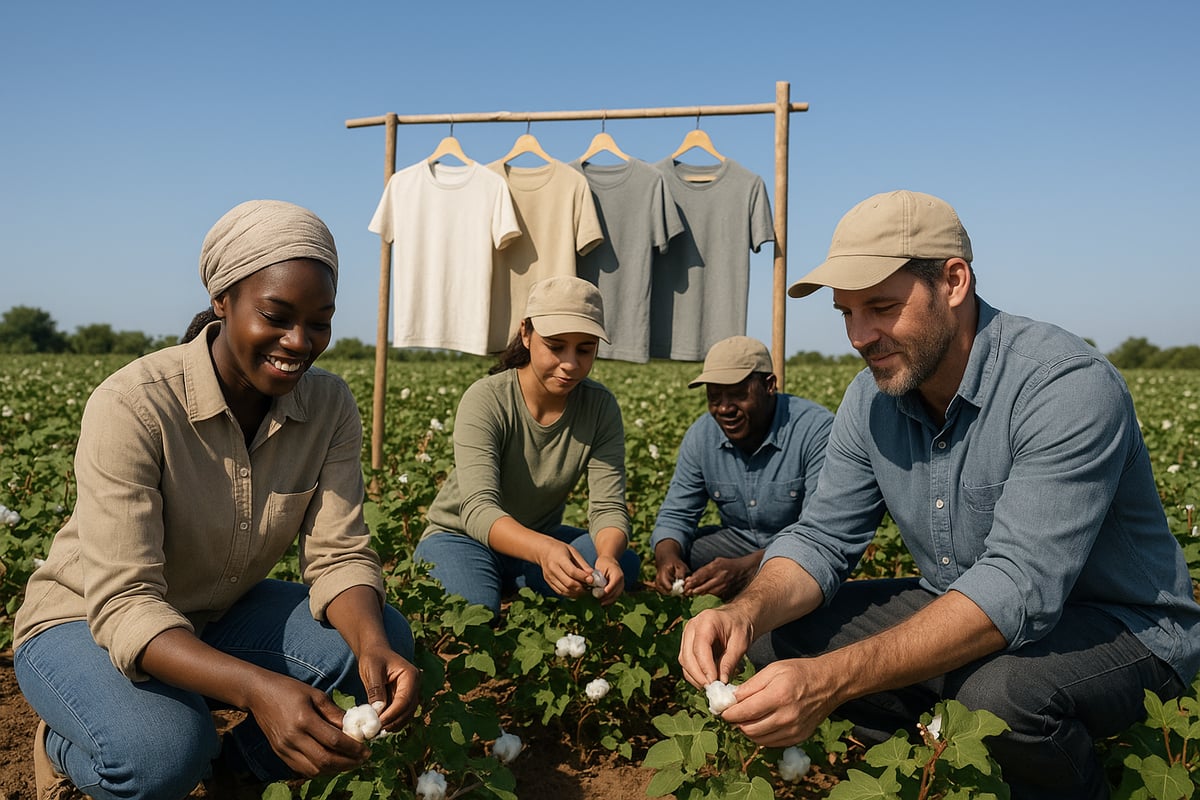
The benefits of organic cotton apparel extend to the farmers who grow it. Organic farming practices prioritize fair wages and safer working conditions, protecting farmers from hazardous chemicals commonly used in conventional cotton cultivation.
Community-based cooperatives, such as Chetna Organic in India, empower smallholder farmers by providing access to resources, training, and stable markets. This leads to stronger rural economies and improved quality of life for farming families.
By eliminating harmful substances, organic cotton farming reduces health risks for both workers and their communities. This approach ensures that every step of the process supports human well-being.
Consumer Health and Comfort
Organic cotton apparel is naturally hypoallergenic, making it ideal for sensitive skin and those who prioritize wellness. Without toxic chemical residues, finished garments are safer for everyday wear.
Consumers also benefit from longer-lasting, high-quality apparel that maintains its softness and durability over time. As more people seek out sustainable options, organic cotton basics are gaining popularity among health-conscious shoppers.
For a deeper look at how organic cotton fits into eco-friendly wardrobes, visit the Eco-friendly men's clothing overview, which highlights the role of organic cotton apparel in sustainable fashion choices.
Trends in Organic Cotton Fashion for 2026
The organic cotton apparel industry is experiencing a remarkable transformation as we approach 2026. Shifting consumer values, technological progress, and growing market demand are fueling significant change. Let us explore the leading trends shaping the future of organic cotton apparel.
Mainstream Adoption and Market Growth
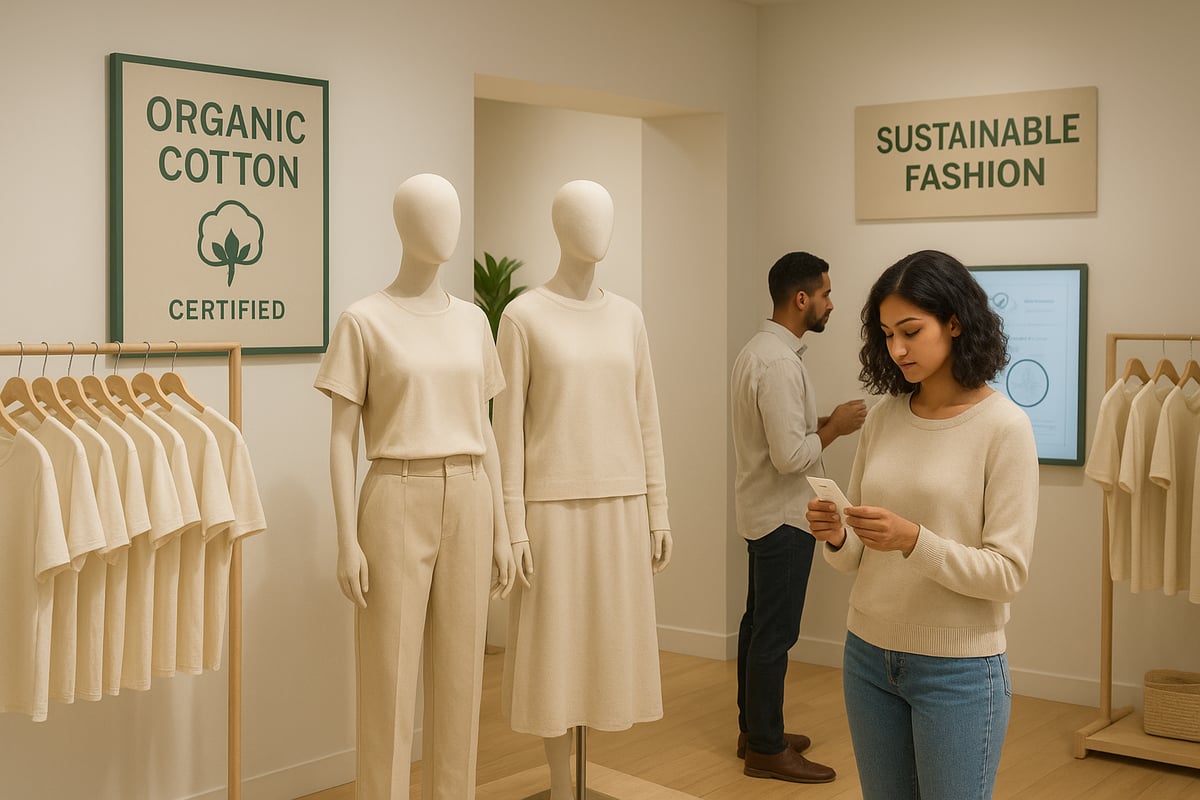
Major fashion brands are steadily increasing their organic cotton apparel lines, making sustainable choices more accessible than ever. According to recent forecasts, the organic cotton apparel market is set to grow by 12 percent annually through 2026. This expansion is evident across menswear, womenswear, and childrenswear. For more insights into the latest sustainable menswear trends, including organic cotton options, explore our in-depth guide.
Innovations in Fabric and Design
Designers are experimenting with blends of organic cotton and recycled fibers, resulting in new textures and improved durability. Minimalist and timeless pieces dominate collections, reflecting consumer demand for versatility. Brands are also investing in circular fashion, using organic cotton in closed-loop systems that prioritize recycling and resource conservation. These innovations are setting new standards for sustainable design.
Consumer Awareness and Transparency
Consumers are demanding more information about their purchases, driving brands to provide transparent supply chains. Digital tools now allow shoppers to trace the journey of organic cotton apparel from farm to store. Social media campaigns continue to raise awareness of ethical sourcing and environmental impact. As a result, organic cotton apparel is becoming synonymous with conscious, informed fashion choices.
How to Identify Genuine Organic Cotton Apparel
Choosing authentic organic cotton apparel can be challenging with so many claims in the market. To help you make informed decisions, focus on certifications, avoid greenwashing, and use smart shopping strategies.
Understanding Certifications and Labels
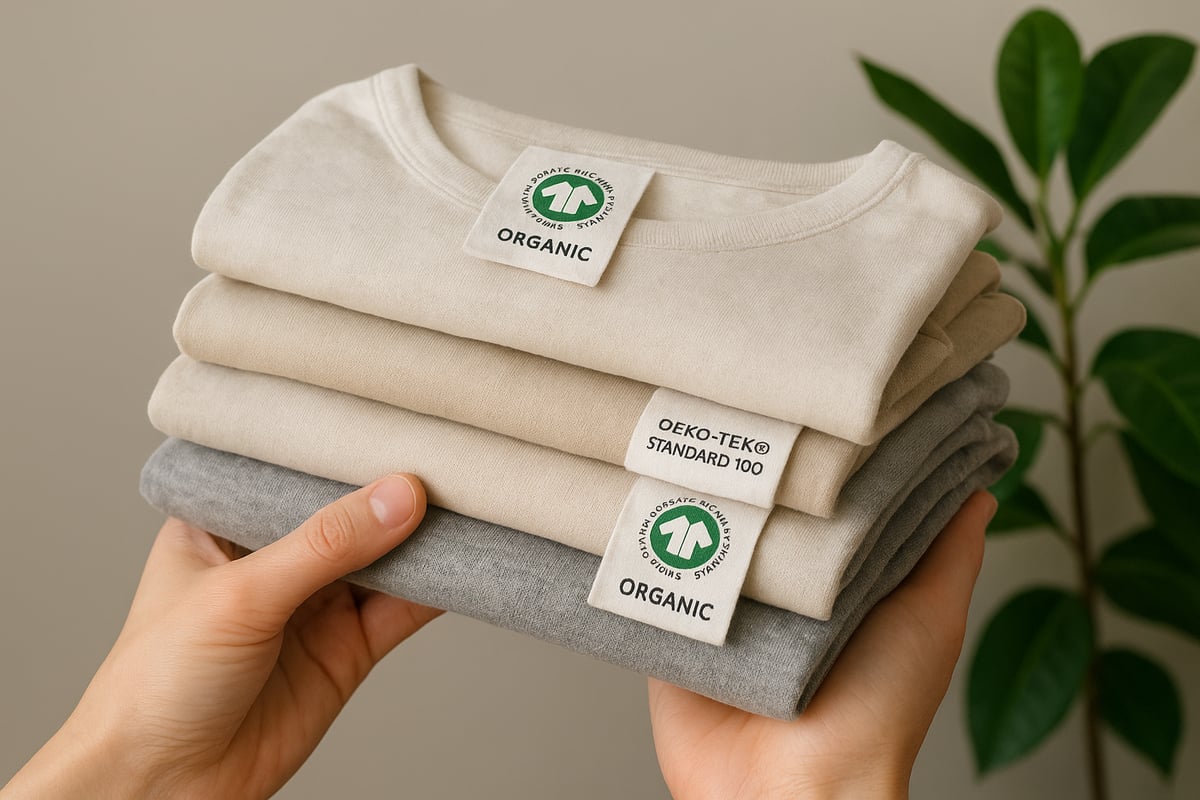
Certification is the most reliable way to verify organic cotton apparel. Look for trusted standards such as GOTS, Fairtrade, and OEKO-TEX. Each certification requires strict compliance with organic farming, processing, and social criteria.
For example, GOTS-certified garments must display a label with a license number and certifying body. Always check that the label matches the product and is not just a marketing claim. The USDA Organic Textiles Policy outlines official requirements for organic labeling and can help you understand what to look for when shopping.
Spotting Greenwashing Tactics
Greenwashing is common in fashion marketing. Watch for vague or unsubstantiated phrases like "eco-friendly" or "natural" that lack third-party certification. If a brand does not provide clear evidence of organic cotton apparel standards, be cautious.
Red flags include generic green icons, missing certification numbers, or inconsistent sustainability statements. To protect yourself, take time to research the brand's sourcing and transparency policies.
Shopping Tips for 2026
When shopping for organic cotton apparel, choose retailers that specialize in sustainable fashion and provide product traceability. Evaluate product descriptions for specific details about material sourcing and certifications.
Look for platforms that offer QR codes or apps to verify garment origins in real time. These tools make it easier to confirm authenticity and support brands committed to transparency and ethical production.
Building a Sustainable Wardrobe with Organic Cotton
Creating a sustainable wardrobe with organic cotton apparel starts with a thoughtful approach. By making mindful choices, you can reduce your environmental impact and enjoy clothing that is gentle on both skin and planet.
Step 1: Audit Your Current Closet
Begin by assessing what you already own. Identify everyday essentials like t-shirts, underwear, and socks that could be replaced with organic cotton apparel. This step helps you prioritize which items to upgrade first and avoid unnecessary purchases.
For inspiration on building a streamlined and eco-friendly wardrobe, explore this Minimalist wardrobe essentials guide, which highlights organic cotton basics.
Step 2: Prioritize Quality Over Quantity
Invest in organic cotton apparel that offers durability and timeless style. Focus on versatile pieces that can be worn across seasons and occasions. Choosing higher quality garments means you buy less often, reduce waste, and benefit from better comfort over time.
Look for well-constructed seams, sturdy fabrics, and classic designs that will not go out of fashion quickly.
Step 3: Care for Your Organic Cotton Apparel
Extend the life of your organic cotton apparel by following proper care practices. Wash items in cold water on gentle cycles and use eco-friendly detergents. Air drying or flat drying helps preserve fabric integrity.
Store garments in a cool, dry place and avoid overloading drawers or hangers to maintain their shape and softness.
Step 4: Support Ethical Brands and Circular Initiatives
Choose brands that are transparent about their sourcing and labor practices. Seek out companies offering recycling or upcycling programs, as well as clothing take-back schemes and repair services.
By supporting these initiatives, you help close the loop in fashion and encourage the continued growth of organic cotton apparel in the market.
Challenges and Future Outlook for Organic Cotton in Fashion
Despite its promise, organic cotton apparel faces several barriers before it can become a mainstream choice. Scaling production is a significant challenge, as organic farming requires more time, land, and expertise compared to conventional methods. This often results in limited supply, making it harder to meet the growing demand from brands and consumers.
Price remains another hurdle for organic cotton apparel. The costs of organic certification, lower yields, and manual labor contribute to higher prices, which can discourage budget-conscious shoppers. Small farmers often find certification processes complex and costly, creating bottlenecks in the supply chain.
| Challenge | Impact | Potential Solution |
|---|---|---|
| Supply chain limitations | Restricted availability, slow growth | Investment in training and infrastructure |
| Price barriers | Higher retail costs for consumers | Brand subsidies, policy support |
| Certification bottlenecks | Fewer certified farms, slower adoption | Simplified certification, cooperatives |
Technological advancements are emerging to address these issues. New farming techniques, improved seed varieties, and efficient water management can boost yields and reduce costs for organic cotton apparel producers. Supportive policies and international agreements are also helping by offering incentives for organic agriculture.
Consumer education is critical in driving the adoption of organic cotton apparel. Transparent communication and awareness campaigns are empowering shoppers to make more informed choices. According to the Global Organic Cotton Market Report 2026, the market is projected to expand significantly as these challenges are addressed and awareness grows.
Looking ahead, there is real potential for organic cotton apparel to become a standard in fashion by 2030. As brands, policymakers, and consumers unite, the industry is poised for a more sustainable and ethical future.

