

Eco-friendly fashion is more than a trend in 2026, it is a movement transforming how we think about clothing and its impact on the world. As consumers become more aware of their choices, organic cotton wear stands out as a sustainable solution.
This guide gives you the knowledge to make informed, responsible decisions. You will discover what makes organic cotton wear unique, learn about its environmental and social benefits, and see how to integrate it into your wardrobe.
We will explore key certifications, smart shopping tips, and the latest trends shaping the future of conscious fashion. By understanding the true value of organic cotton wear, you can help create a more ethical and sustainable world—one outfit at a time.
What Is Organic Cotton? Understanding the Basics
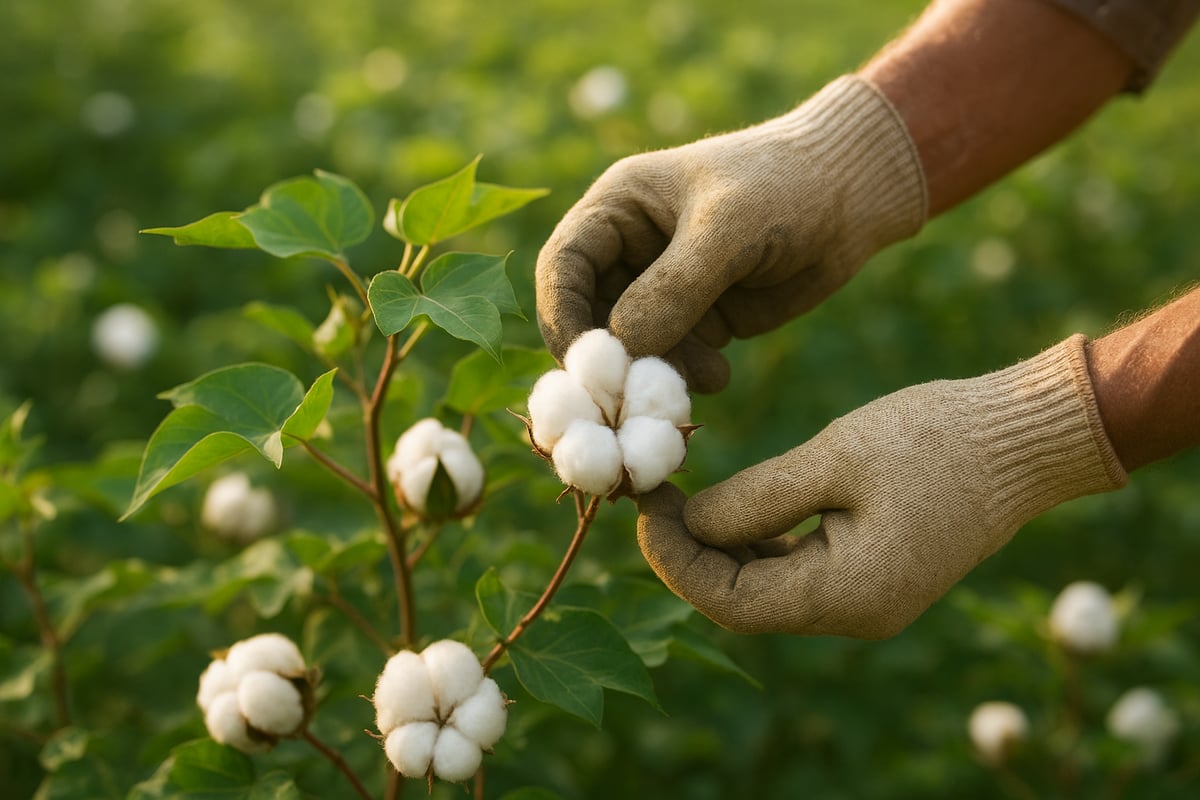
Organic cotton wear is made from cotton grown using strict organic farming methods, setting it apart from conventional cotton. Unlike standard cotton, organic cotton wear comes from non-GMO seeds and relies on natural pest control, avoiding synthetic pesticides and fertilizers.
Farmers use crop rotation and compost to nurture soil health, which leads to richer, more resilient land. These practices also help reduce water consumption, making organic cotton wear a smarter choice for water conservation. For example, organic cotton often uses up to 91% less water than conventional cotton.
| Cultivation Type | Average Water Usage (liters/kg cotton) |
|---|---|
| Conventional Cotton | 10,000 |
| Organic Cotton | 900 |
Beyond environmental benefits, organic cotton wear supports safer working conditions. Farmers face less exposure to toxic chemicals, and many organic cotton initiatives promote fair labor standards.
Globally, organic cotton remains a small but growing segment of the textile market. India and Turkey lead production, but more countries are joining the movement. According to the Global Organic Cotton Market Report, demand for organic cotton is rising, driven by consumer preference for transparent and responsible products.
It is important to distinguish organic cotton wear from products labeled simply as “natural” or “eco-friendly,” which may not meet strict standards. Look for trusted certifications and clear labeling to ensure you are choosing true organic cotton wear for your wardrobe.
Why Choose Organic Cotton Wear? Key Benefits for 2026
Choosing organic cotton wear is more than a trend, it is a conscious decision that benefits your health, the planet, and the people who make your clothes. With organic cotton wear, you avoid exposure to harsh chemicals and allergens commonly found in conventional fabrics, making it a safer option for sensitive skin.
Organic cotton farming uses far fewer pesticides and much less water compared to traditional methods. Studies show that organic cotton cultivation can reduce water consumption by up to 91 percent and eliminate toxic runoff, helping preserve soil health and biodiversity. This means your clothing choices directly contribute to a healthier environment.
Comfort and durability are other key advantages. Organic cotton fibers are often softer and stronger, resulting in garments that feel great and last longer. Ethical production practices are central to organic cotton wear, with many brands ensuring fair wages and safe working conditions for farmers and workers.
Consumer demand for sustainable fashion is rising rapidly. Recent surveys indicate a significant shift toward eco-friendly choices, and leading brands are responding with innovative collections. For example, Organic cotton boxer briefs offer a practical, comfortable, and sustainable alternative to conventional underwear, demonstrating how organic cotton wear can fit seamlessly into everyday life.
Organic cotton wear also supports circular fashion models by promoting longevity and reducing waste. While pricing may be slightly higher, the long-term value, durability, and positive impact make it a worthwhile investment for a modern, responsible wardrobe.

Certifications and Labels: Navigating Sustainable Choices
Navigating the world of organic cotton wear means understanding which certifications truly guarantee ethical and sustainable practices. With countless “eco-friendly” labels on the market, knowing what to look for is essential to make informed, responsible purchases.
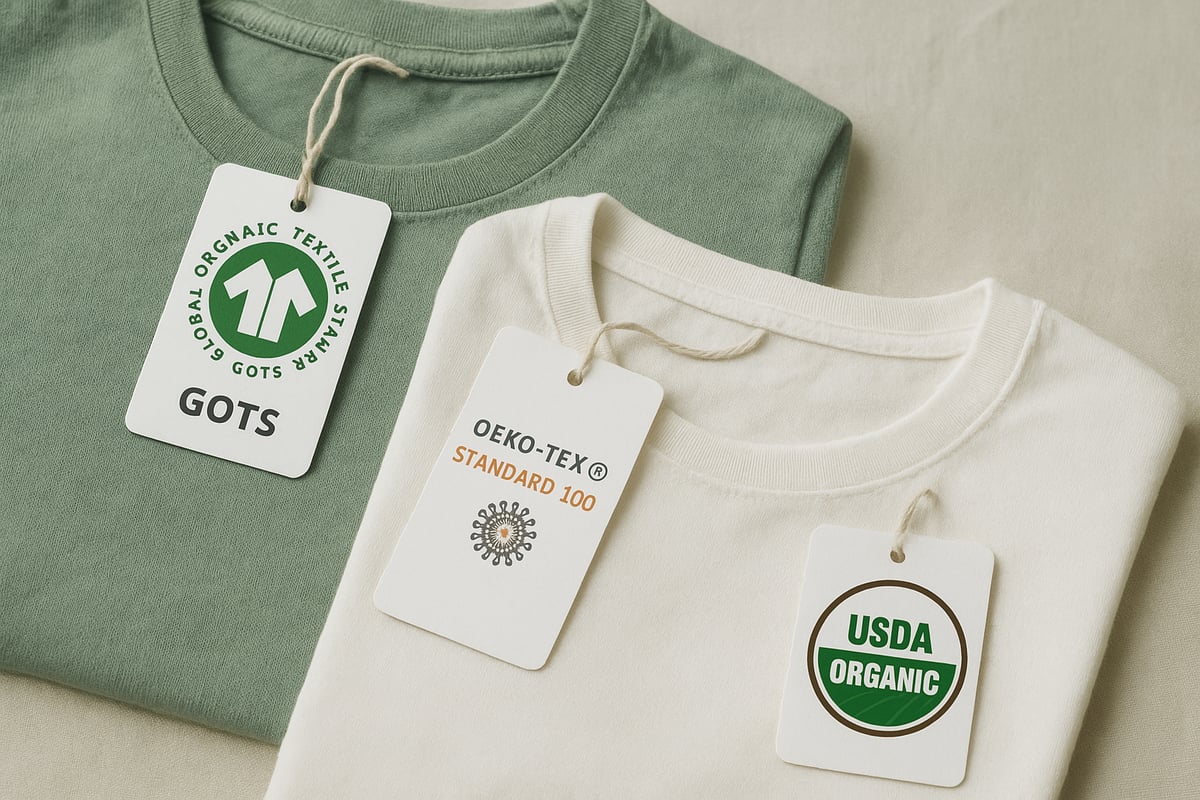
Here’s a quick comparison of the most trusted certifications for organic cotton wear:
| Certification | Key Guarantees | Overseen By |
|---|---|---|
| GOTS | Organic fibers, social and environmental criteria, no hazardous chemicals | Global Organic Textile Standard |
| OEKO-TEX® | Tests for harmful substances, GMO testing, product traceability | OEKO-TEX® Organic Cotton Certification |
| USDA Organic | Non-GMO cotton, organic farming, compliance with US organic standards | United States Department of Agriculture |
Each certification sets strict standards for environmental impact and worker welfare. GOTS, for example, requires organic fiber content and bans toxic dyes, while OEKO-TEX® ensures products are free from harmful substances and verifies organic origins.
When shopping for organic cotton wear, always check for these certification labels on tags or product descriptions. Authentic brands disclose certification numbers, audit details, and sourcing information. Be wary of vague claims like “eco-friendly” or “natural” without third-party verification. Greenwashing is common, so transparency is critical.
Consider this example: a certified organic cotton t-shirt will list its certification and traceable origin, while a non-certified shirt may lack documentation and transparency. Certified items support fair labor, safe production, and reduced environmental harm.
Recent data shows that only a fraction of global cotton products are truly certified organic, highlighting the importance of consumer vigilance. As the demand for organic cotton wear grows, transparency and third-party audits will continue to shape the future of sustainable fashion.
How to Shop for Organic Cotton Wear: A Step-by-Step Guide
Selecting organic cotton wear for your wardrobe is a thoughtful process. Each step ensures you make choices that align with your values, comfort, and sustainability goals. Follow this practical guide to shop with confidence and clarity.
Step 1: Identify Your Needs and Style Preferences
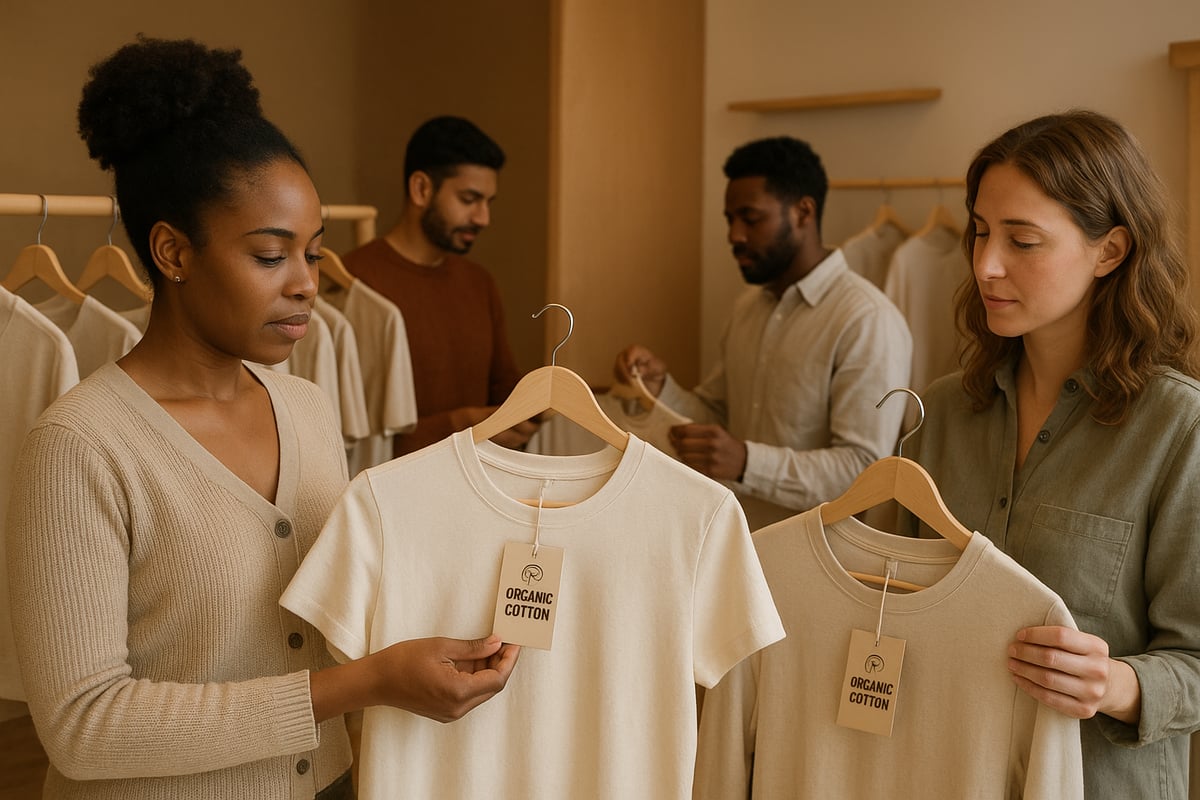
Start by evaluating your daily clothing habits and pinpointing wardrobe essentials. Do you need basics for work, leisure, or active wear? Consider your local climate, preferred colors, and favorite fits.
- Make a list of must-have pieces.
- Note gaps in your current wardrobe.
- Align choices with your lifestyle and fashion taste.
For more inspiration on building a sustainable wardrobe, visit the Eco-friendly men's clothing guide. This resource can help you discover how organic cotton wear fits seamlessly into your style.
Step 2: Verify Authenticity and Certifications
Always check for recognized certifications when shopping for organic cotton wear. Look for trusted labels such as GOTS or USDA Organic on tags and packaging.
Research the brand's transparency by reviewing sustainability reports and material sourcing details. Confirm that claims are backed by third-party verification, not just marketing.
Prioritize brands that openly share their production processes and certification details. This ensures you are supporting genuine organic cotton standards.
Step 3: Evaluate Quality and Longevity
Examine the fabric's feel and inspect stitching for durability. High-quality organic cotton wear should feel soft yet sturdy, with reinforced seams and even construction.
Investing in fewer, well-made basics means your clothes will last longer and maintain their appearance. Focus on versatile pieces that can be worn in multiple settings.
Remember, quality garments contribute to a more sustainable and responsible wardrobe.
Step 4: Compare Brands and Price Points
Balance your budget with ethical values by comparing different brands offering organic cotton wear. Explore price ranges, read customer reviews, and assess each brand’s commitment to sustainability.
Look for reputable companies that prioritize fair labor and eco-friendly practices. While organic cotton wear may cost more upfront, its durability and ethical impact often justify the investment.
Making informed choices supports both your personal style and global sustainability efforts.
Step 5: Care for Your Organic Cotton Clothing
Proper care extends the life of your organic cotton wear. Wash garments in cold water using mild, eco-friendly detergents.
- Air dry when possible to reduce energy use.
- Store items folded or hung away from direct sunlight.
- Treat stains promptly with natural cleaners.
Adopting gentle laundry habits not only preserves fabric quality but also minimizes environmental impact.
Trends and Innovations in Organic Cotton Wear for 2026
Sustainability is fueling remarkable innovation in organic cotton wear as we look toward 2026. Farmers and brands are embracing regenerative agriculture, which restores soil health and helps sequester carbon. New water-saving techniques, such as drip irrigation and rainwater harvesting, are also becoming standard in leading organic cotton communities.
Technology is transforming transparency in the organic cotton wear supply chain. Brands now use traceability apps and blockchain to let shoppers verify their garments' origins in real time. This shift empowers consumers to make confident, informed choices.
Blended fabrics are another exciting development. Designers are combining organic cotton with recycled fibers or emerging plant-based materials, yielding garments that are both durable and sustainable. The market is also expanding rapidly across all categories: men’s, women’s, and children’s organic cotton wear are seeing significant growth. For a closer look at how menswear is evolving, explore these sustainable menswear trends.
Circular fashion models are gaining traction. Rental, resale, and upcycling platforms are helping reduce textile waste and extend the life of organic cotton wear. Minimalist, timeless designs dominate, reflecting a consumer desire for longevity and versatility.
According to the 2025 Sustainable Cotton Challenge Report, the organic cotton sector is set for robust growth, with more brands committing to sustainable sourcing each year. Many companies are now collaborating directly with farmers to ensure ethical practices and support local communities.
These innovations are shaping a future where organic cotton wear is not only better for the planet but also for everyone along the supply chain.

