

Sustainable fashion is more than a trend—it's a global movement gaining momentum as we approach 2026. With consumers seeking greener solutions, this year marks a turning point for eco-conscious wardrobes.
Making mindful choices with everyday basics is crucial for anyone aiming to reduce their environmental impact. By focusing on organic basics, you can lay a strong foundation for a more responsible and ethical closet.
In this guide, you'll discover practical steps to build a sustainable wardrobe, explore the latest materials, and get to know the brands shaping ethical fashion in 2026. We’ll cover key organic basics, must-have staples, how to shop smart, and care tips to ensure your essentials last.
Get ready to transform your approach to fashion with insights that support both style and sustainability.
The Rise of Organic Basics in Sustainable Fashion
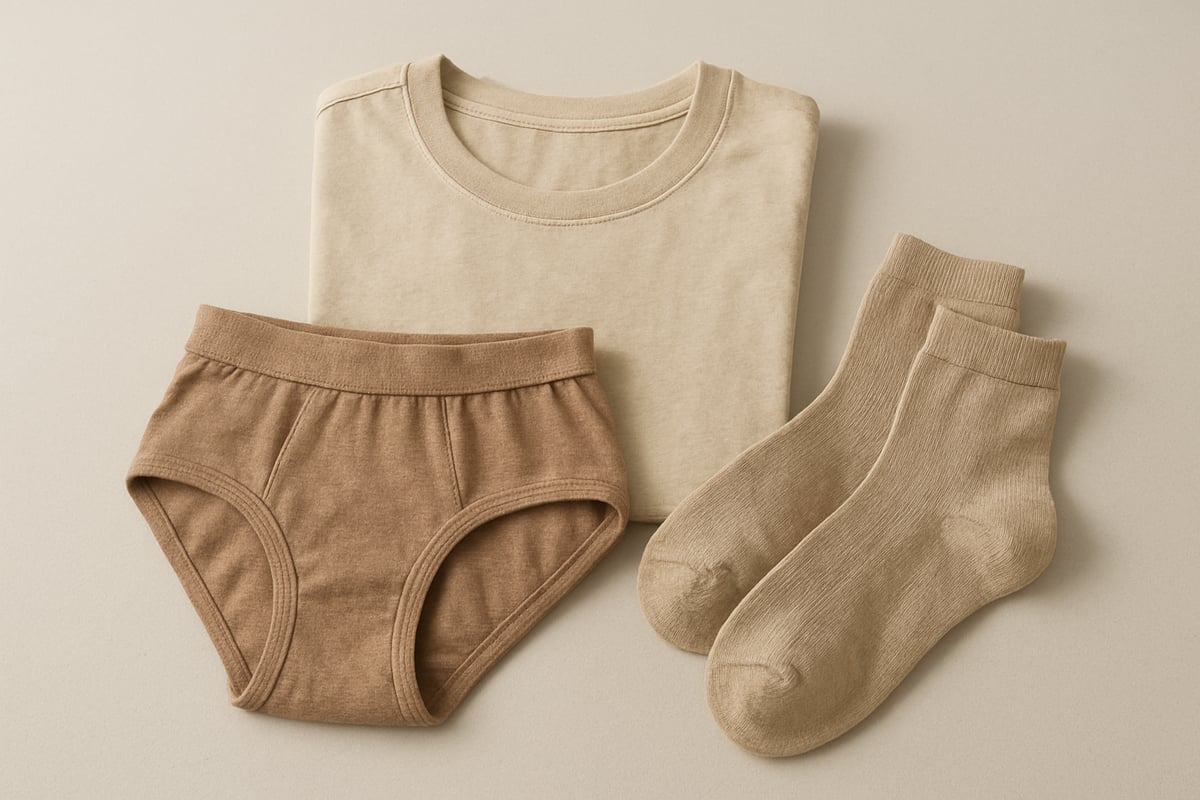
Organic basics are the foundational pieces—like underwear, tees, socks, and loungewear—crafted from certified organic or eco-friendly materials. These essentials form the backbone of a truly sustainable wardrobe, offering comfort, versatility, and a lower environmental footprint.
The transition from fast fashion to eco-conscious consumerism is accelerating. Recent Sustainable Fashion Market Growth Projections reveal that demand for organic basics and sustainable staples is set to surge, reflecting a new era of mindful shopping and ethical priorities.
Basics matter because they are worn daily, making their environmental impact significant. By choosing organic basics for your core wardrobe, you directly reduce resource use and waste with every wear.
Today’s consumer expects transparency, ethical sourcing, and trusted certifications like GOTS and OEKO-TEX. Brands such as Organic Basics respond by prioritizing comfort, minimalism, and measurable environmental impact.
The benefits of organic basics include reduced water consumption, lower CO₂ emissions, and fewer harmful chemicals. Best-selling examples include organic cotton underwear and TENCEL™ lyocell tees, both praised for their comfort and eco-credentials.
Essential Sustainable Materials for 2026
Choosing the right materials is the cornerstone of any wardrobe built on organic basics. As sustainable fashion evolves, 2026 spotlights proven fibers and cutting-edge innovations that drive comfort, performance, and responsibility.
Organic Cotton: The Timeless Staple
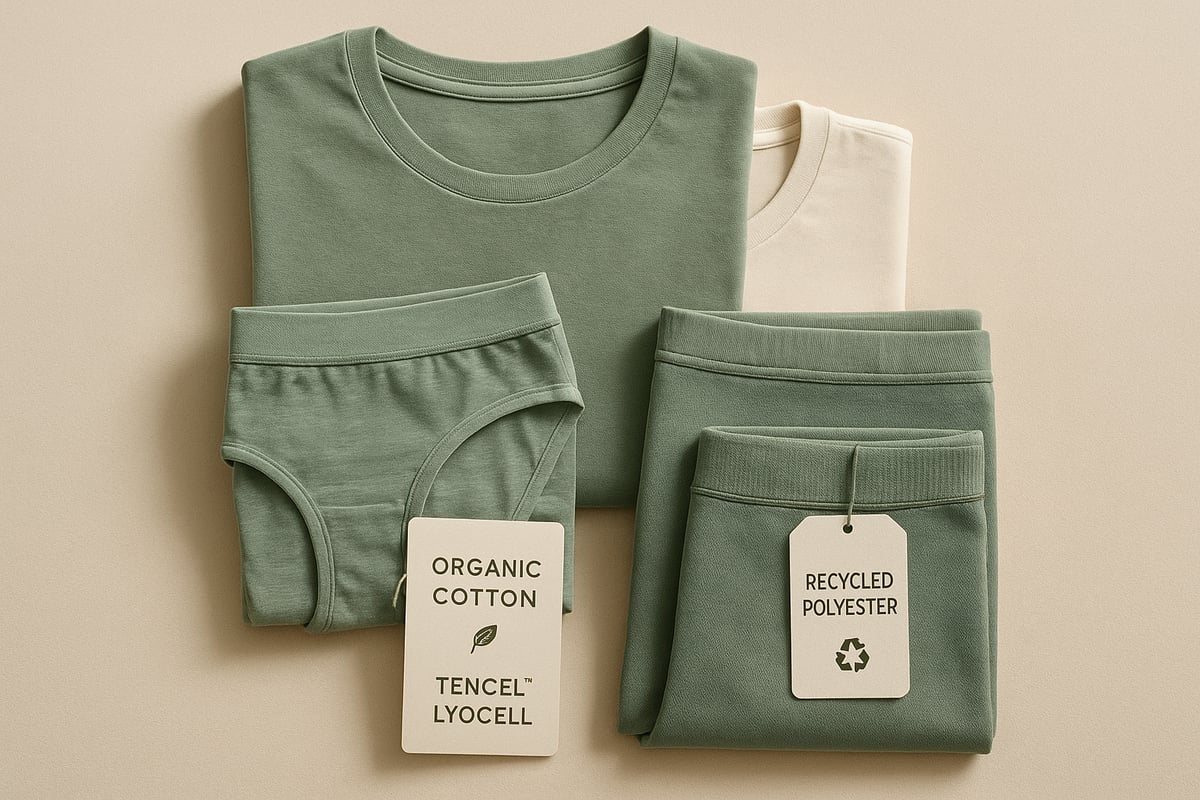
Organic cotton remains the backbone of organic basics, valued for its natural softness and hypoallergenic properties. Its cultivation uses significantly less water and eliminates harsh chemicals compared to conventional cotton. According to Organic Cotton Water Usage Statistics, organic cotton farming can reduce water usage by up to 91 percent. Look for GOTS and OEKO-TEX certifications for assurance of purity and ethical standards. This material sets a high benchmark for both comfort and environmental impact.
TENCEL™ Lyocell and Modal: Next-Gen Eco-Fibers
TENCEL™ Lyocell and Modal are innovative fibers made from sustainably sourced wood pulp, processed in a closed-loop system that recycles water and solvents. These materials give organic basics a silky, breathable feel and excel in moisture management. They are fully biodegradable, making them ideal for underwear and tees. Leading brands now use TENCEL™ for premium basics, combining sustainability with everyday luxury.
Recycled and Responsible Synthetics
Recycled nylon and polyester are reshaping organic basics, especially for activewear and mesh garments. By transforming post-consumer waste into high-performance fabrics, these synthetics help cut landfill volume and support circular fashion. Certifications like Global Recycled Standard and traceable sourcing give consumers added confidence in their choices. These fibers ensure that durability and responsibility go hand in hand.
Core Wardrobe Essentials: Sustainable Must-Haves
Building a sustainable wardrobe starts with a strong foundation. Choosing the right organic basics ensures comfort, versatility, and a positive environmental impact. Let’s break down the essentials you need for an eco-conscious closet in 2026.
Underwear: The Foundation of Comfort
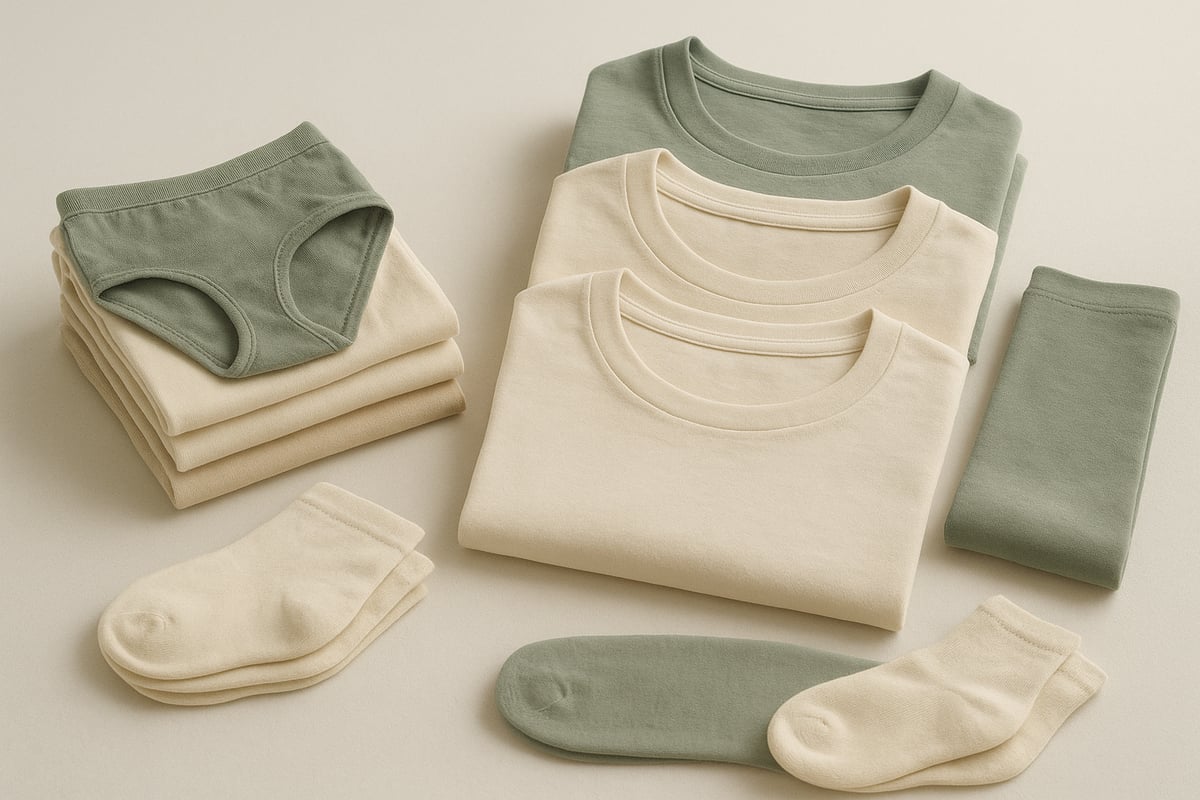
Sustainable underwear is the first step toward a responsible wardrobe. Opt for briefs, boxers, thongs, and bralettes made from organic basics like organic cotton and TENCEL™ lyocell.
- Breathable, hypoallergenic material
- Ethical manufacturing and certifications
- Highly rated for comfort and fit
For a detailed breakdown of organic cotton options, see the Organic cotton boxer briefs guide.
Everyday Tops & Tees
Everyday tops are the backbone of any collection of organic basics. Choose t-shirts and singlets crafted from organic cotton or lyocell for softness and durability.
- Minimalist, timeless design
- Versatile for layering or solo wear
- Colorfast and gentle on skin
Investing in quality tops helps reduce frequent replacements and supports a sustainable lifestyle.
Bottoms, Loungewear, and Layering Pieces
Comfortable bottoms and loungewear made from organic basics are essential. Look for sweatpants, leggings, and pyjamas made with eco-friendly fibers.
- Soft, flexible fabrics for daily wear
- Durable seams and reinforced stitching
- Suitable for both relaxing and errands
Prioritizing comfort and longevity in these pieces minimizes waste and supports mindful fashion choices.
Socks and Accessories
Finish your wardrobe with socks and accessories crafted from organic basics. Organic cotton and hemp blend socks offer breathability and lasting wear.
- Moisture-wicking and odor resistant
- Reinforced heels and toes for durability
- Accessories like beanies and scarves in responsible fibers
These details ensure your sustainable wardrobe is complete from head to toe.
How to Identify Truly Sustainable Fashion Brands
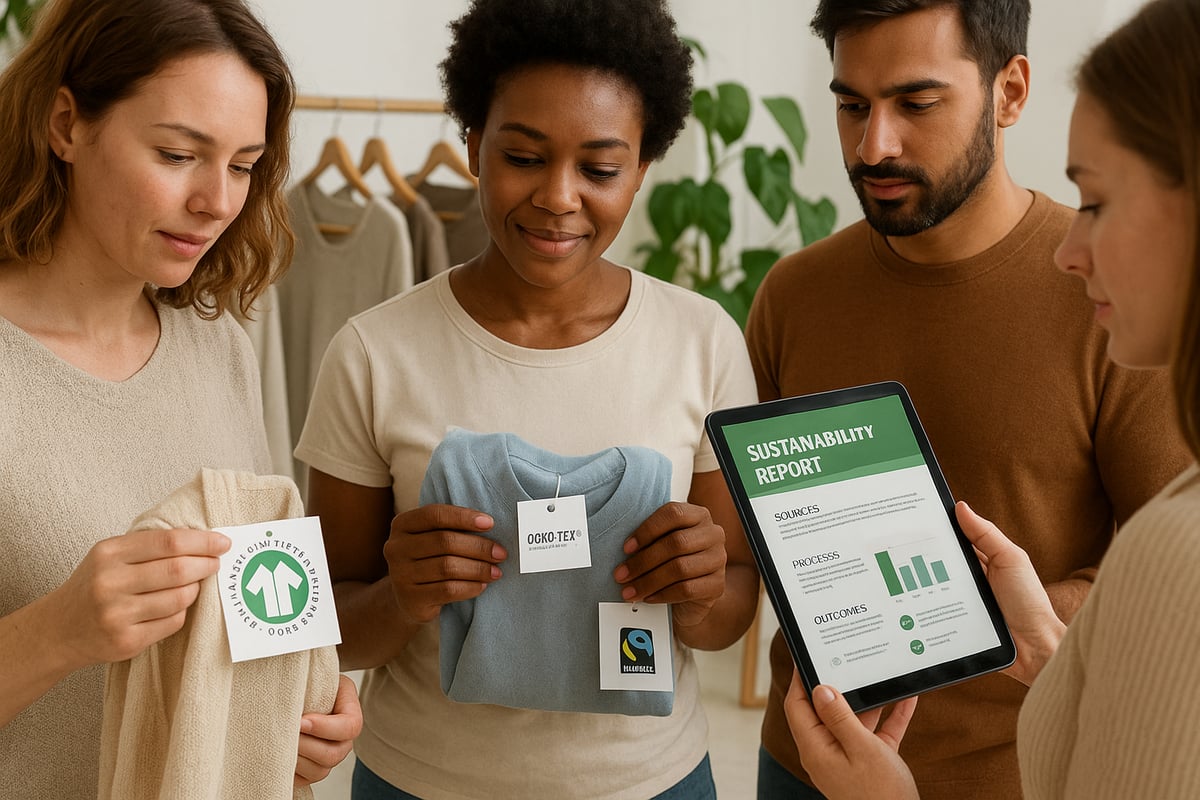
When building a wardrobe of organic basics, knowing how to spot truly sustainable brands is essential. Start by looking for recognized certifications such as GOTS (Global Organic Textile Standard), OEKO-TEX, and Fair Trade. These labels ensure materials and production processes meet strict environmental and ethical standards. Transparent supply chains are also crucial—responsible brands openly share details about sourcing and manufacturing.
Ethical manufacturing practices distinguish real leaders in sustainable fashion. Look for brands that provide living wages, safe working conditions, and conduct regular factory audits. Genuine companies report their environmental impact, such as CO₂ reduction and water savings. Many support community initiatives, giving back through programs like 1% for the Planet. For an overview of reputable companies, see the Sustainable men's brands overview.
Beware of greenwashing. Authentic organic basics brands disclose their processes and offer detailed impact reports. Watch for clear claims, third-party verification, and donation progress updates. Organic Basics, for example, publishes transparent data and demonstrates real commitment, making it easier for you to choose clothing that aligns with your values.
Responsible Shopping: Building a Sustainable Wardrobe Step-by-Step
Taking a mindful approach to shopping is essential for anyone seeking to build a responsible wardrobe. Start by evaluating your current clothing collection to identify what you truly need and which pieces align with your values.
Begin with an honest wardrobe audit. Look for gaps and prioritize daily essentials over impulse purchases. Focus on quality, not quantity, and invest in pieces that last, such as organic basics, which serve as the foundation for a sustainable closet.
Research brands with credible certifications and transparent supply chains. Opt for timeless, versatile styles that can be mixed and matched. For practical advice on curating a streamlined, eco-friendly wardrobe, explore guides on minimalist wardrobe essentials.
Take advantage of bundles or sales to maximize value. Consider secondhand options and clothing swaps to minimize waste. Track your impact by noting water, emissions, and waste savings as you make more thoughtful choices.
Caring for Your Organic Basics: Maximizing Longevity
Caring properly for your organic basics ensures they look and feel great for years, reducing waste and supporting a more sustainable wardrobe. By following simple steps, you can maximize the lifespan of each item.
- Wash in cold water using eco-friendly detergents to preserve delicate fibers and minimize color fading.
- Air dry your garments instead of using a tumble dryer, which cuts energy use and helps maintain fabric integrity.
- Store your basics folded or flat to protect their shape and elasticity over time.
- Repair minor damages like small holes or loose seams promptly, extending the life cycle of your favorite pieces.
- Rotate your organic basics to avoid excessive wear on any single item.
- Follow care instructions provided by brands for best results and optimal longevity.
Brands like Organic Basics back their products with easy 30-day returns and a strong focus on durability, making it even easier to care for your essentials responsibly.
The Future of Sustainable Fashion Essentials
The future of sustainable fashion essentials is defined by rapid innovation, shifting consumer values, and a growing commitment to transparency. As 2026 approaches, organic basics remain at the heart of this movement, guiding both brands and shoppers toward more conscious choices.
Key Trends Shaping 2026:
| Trend | Description |
|---|---|
| Plant-based & Recycled Fibers | New materials, like hemp blends and advanced recycled synthetics, gain popularity. |
| Circular Fashion Models | Take-back schemes, upcycling programs, and brand-led repair services expand. |
| Transparency & Traceability | Digital product passports and blockchain-backed sourcing offer radical clarity. |
| Inclusivity | More gender-neutral and size-inclusive organic basics collections emerge. |
| Technology Integration | Impact tracking apps let consumers see their wardrobe’s environmental footprint. |
| Regulatory Incentives | Governments introduce stricter standards and benefits for sustainable brands. |
Consumer demand for accountability and sustainable practices is stronger than ever, as shown by Sustainable Fashion Industry Statistics. Shoppers want proof of impact, ethical sourcing, and measurable results.
By choosing organic basics, you help shape an industry that values both people and the planet. Investing in these essentials is a proactive step toward a more responsible, ethical, and eco-friendly wardrobe.

