

When you're choosing what to wear against your skin every day, the fabric matters more than you might think. The question "is polyester bad for skin" has gained attention as more men experience unexplained irritation, discomfort, or skin reactions from their clothing. While polyester dominates the fast fashion industry due to its affordability and durability, understanding its impact on your skin health is essential for making informed wardrobe decisions. This synthetic fabric behaves very differently than natural materials, particularly when worn for extended periods in direct contact with your body.
How Polyester Interacts With Your Skin
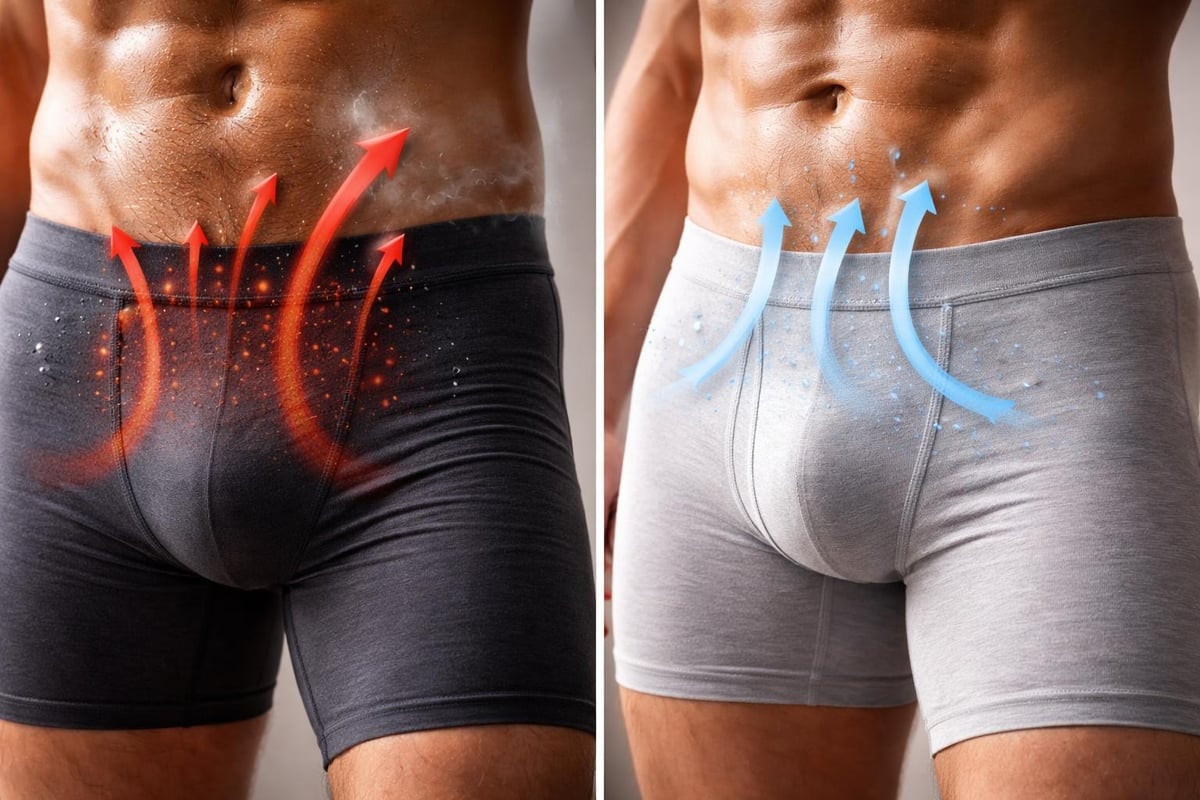
Polyester is a petroleum-based synthetic fiber that lacks the breathability of natural fabrics. When you wear polyester clothing, particularly in intimate areas like underwear or base layers, the fabric creates a barrier that traps heat and moisture against your skin.
This moisture-trapping effect creates several problems:
- Bacterial growth from warm, damp conditions
- Overheating during physical activity or warm weather
- Chafing from reduced friction management
- Odor retention as synthetic fibers hold onto bacteria
The lack of air circulation means sweat cannot evaporate efficiently. Instead, it remains on your skin, creating an environment where irritation thrives. Men who wear polyester boxer briefs or undershirts throughout the day often report discomfort that natural fabrics simply don't cause.
Chemical Sensitivities and Textile Dermatitis
Beyond breathability concerns, polyester production involves numerous chemicals that can remain in finished garments. Manufacturing processes use formaldehyde resins, dyes, and finishing agents that may trigger allergic reactions or textile dermatitis in sensitive individuals.
Common symptoms of polyester-related skin reactions include:
- Red, itchy patches where clothing contacts skin
- Raised bumps or hives after wearing certain garments
- Burning sensations or heightened sensitivity
- Dry, flaky skin in covered areas
Some men never connect their skin issues to their clothing choices. If you've experienced persistent irritation without an obvious cause, your polyester-heavy wardrobe might be the culprit. Research indicates that polyester ranks among the worst fabrics for sensitive skin precisely because of these chemical residues combined with poor moisture management.
Special Considerations for Men With Eczema
For men dealing with eczema or other inflammatory skin conditions, the question "is polyester bad for skin" becomes even more critical. The National Eczema Society notes that synthetic materials like polyester can significantly worsen eczema symptoms through overheating and friction.
| Skin Condition | Polyester Impact | Recommended Alternative |
|---|---|---|
| Eczema | Causes overheating, traps allergens | Organic cotton, TENCEL™ |
| Contact Dermatitis | Chemical triggers, friction irritation | Natural fiber blends |
| Sensitive Skin | Heat rash, general discomfort | Breathable bamboo, modal |
| Psoriasis | Aggravates inflammation | Soft, moisture-wicking naturals |
The tight weave and static properties of polyester can also attract and hold dust, pollen, and other allergens close to your skin. This creates a double problem for anyone with compromised skin barriers or heightened sensitivities.
Men who transition from polyester underwear to natural fiber options like TENCEL™ boxer briefs often report immediate improvement in comfort and reduction in skin flare-ups.
The Environmental and Skin Health Connection
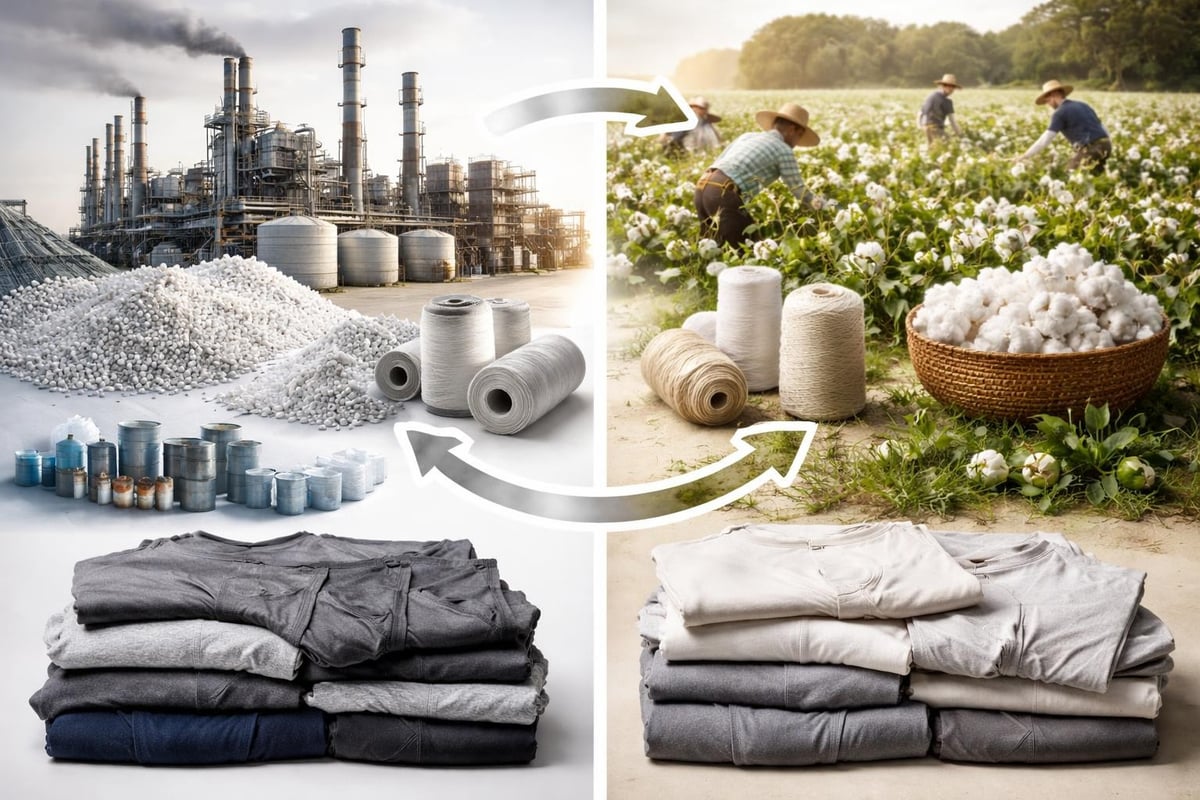
While discussing whether is polyester bad for skin, it's worth noting the broader implications of synthetic fabric choices. Polyester sheds microplastics with every wash, contributing to environmental pollution. These same microfibers can become embedded in fabric and irritate skin through mechanical friction.
Sustainable natural fabrics offer multiple benefits:
- Superior breathability and temperature regulation
- Biodegradable materials with lower environmental impact
- Gentler processing with fewer harsh chemicals
- Natural moisture-wicking without synthetic treatments
Premium brands focusing on sustainable men's clothing recognize that skin health and environmental responsibility go hand in hand. Choosing fabrics that feel good on your body while reducing your environmental footprint represents a win-win approach.
What to Wear Instead of Polyester
If you're ready to move away from polyester, several natural and semi-synthetic alternatives provide superior comfort without compromising style or performance. Understanding your options helps you build a wardrobe that supports both skin health and your daily activities.
Top fabric alternatives include:
- TENCEL™ Lyocell – Exceptionally soft, moisture-wicking, and sustainably produced
- Organic cotton – Classic comfort, breathable, and gentle on sensitive skin
- Bamboo viscose – Naturally antimicrobial with silky smoothness
- Merino wool – Temperature-regulating and odor-resistant for active wear
- Modal – Soft drape with excellent moisture management
When selecting premium underwear for men, prioritize fabrics that allow your skin to breathe throughout the day. The initial investment in quality natural fibers pays dividends in comfort, durability, and skin health.
| Feature | Polyester | TENCEL™ Lyocell | Organic Cotton |
|---|---|---|---|
| Breathability | Poor | Excellent | Very Good |
| Moisture Management | Traps moisture | Superior wicking | Good absorption |
| Skin Sensitivity | High risk | Hypoallergenic | Generally safe |
| Sustainability | Low | High | Moderate to High |
| Durability | High | High | Moderate |
Making the Switch: Practical Steps
Transitioning your wardrobe from polyester to skin-friendly alternatives doesn't require replacing everything overnight. Start with items that spend the most time against your skin, particularly underwear and undershirts.
Begin by examining clothing labels and identifying your highest-polyester garments. Replace these strategically with moisture-wicking underwear made from natural materials that prioritize comfort and breathability.
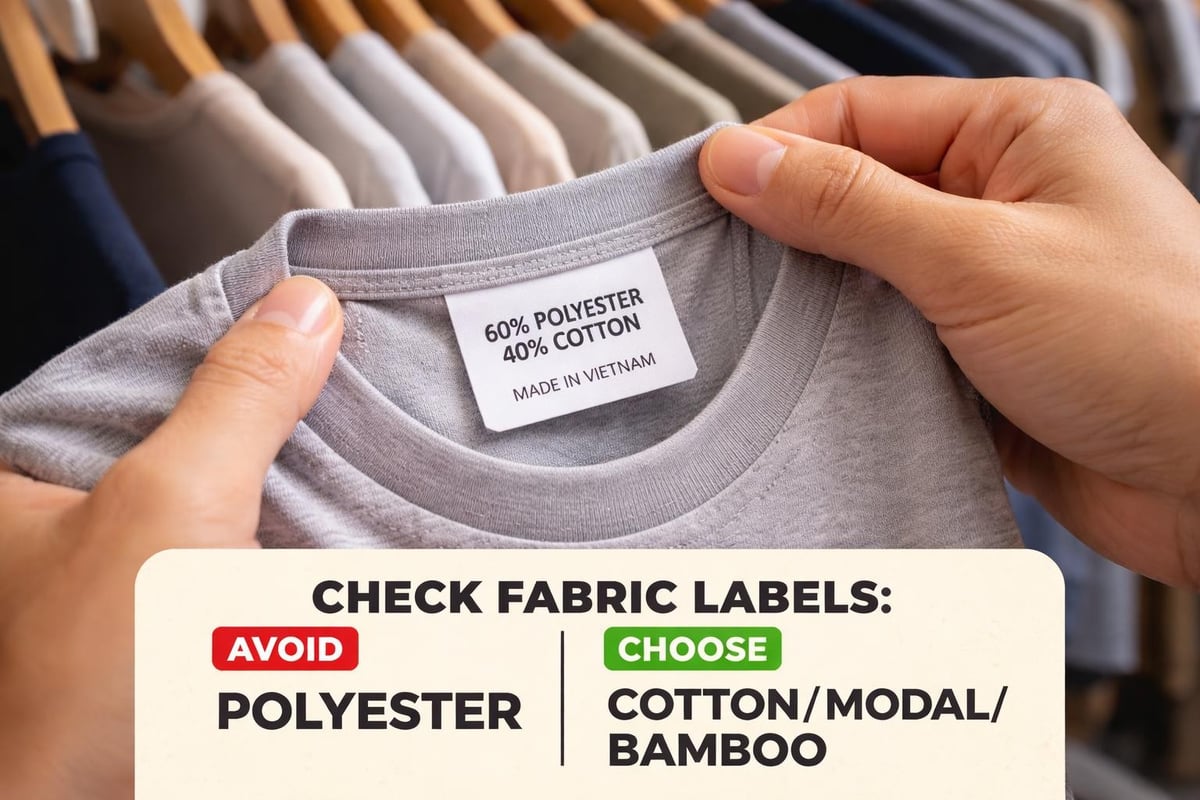
Pay attention to how your skin responds during the transition. Many men notice immediate improvements in comfort, reduced chafing, and better temperature regulation when they switch to quality natural fibers. These benefits become especially apparent during physical activity or in warmer months.
Long-Term Benefits of Natural Fabrics
Beyond immediate comfort improvements, choosing natural over polyester delivers lasting advantages for skin health. Natural fibers allow your skin's microbiome to function properly, supporting the natural barrier that protects against irritants and pathogens.
Long-term advantages include:
- Reduced inflammation and fewer skin flare-ups
- Better body temperature regulation year-round
- Decreased odor issues from improved bacterial balance
- Lower exposure to synthetic chemicals and microplastics
Men who prioritize comfortable men's underwear crafted from responsibly sourced natural materials report sustained satisfaction with their choice. Quality garments made from fabrics like TENCEL™ and organic cotton maintain their beneficial properties wash after wash, unlike polyester which can degrade and become even more irritating over time.
The answer to "is polyester bad for skin" ultimately depends on your individual sensitivity, but the evidence clearly shows that natural alternatives offer superior performance for most men, particularly those seeking all-day comfort without compromise.
Your skin deserves better than synthetic fabrics that trap moisture and irritation. By understanding how polyester affects your body and choosing natural alternatives, you invest in both immediate comfort and long-term skin health. If you're ready to experience the difference that premium, sustainably crafted essentials can make, explore Konquer Wear for boxer briefs designed with your skin and values in mind.

